What is Electrical Switchgear and Why Is It Essential?

Time:2026-06-02 Author:Ethan
0%

Electrical switchgear plays a vital role in modern electrical systems. But what is electrical switchgear? It refers to a collection of devices that manage and protect electrical circuits. These systems ensure the safe distribution of electricity and help prevent failures. They can be found in substations, industrial plants, and commercial buildings.

The reliability of electrical switchgear is crucial. It guards against overloads and short circuits. This technology enhances operational safety and efficiency. However, many might overlook its significance until a failure occurs. Studies show that inadequate switchgear can lead to costly failures. Thus, understanding what electrical switchgear entails is essential for professionals in the field.

Despite their importance, not all switchgear is created equal. Some designs may lack critical features. Regular assessments are necessary to maintain performance. Neglecting this aspect can lead to serious issues. Therefore, a comprehensive understanding of electrical switchgear is essential for ensuring reliable electrical systems.
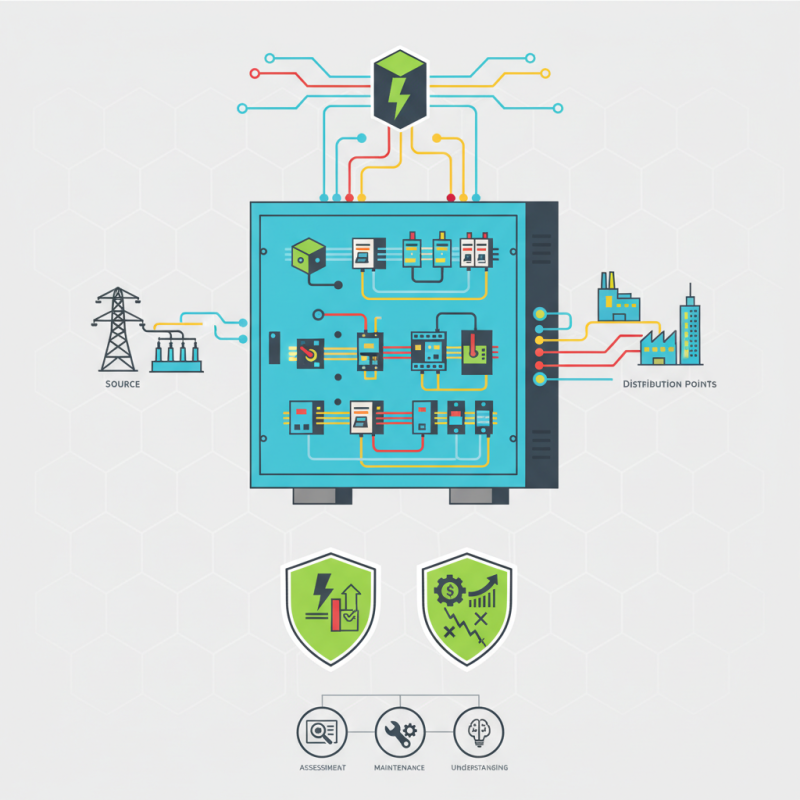
What is Electrical Switchgear and Why Is It Essential?

Definition and Function of Electrical Switchgear

Electrical switchgear plays a crucial role in electrical systems. It acts as a protective device that controls, protects, and isolates electrical equipment. These systems ensure the reliability of power distribution and enhance safety. Switchgear comprises circuit breakers, fuses, and switches to manage electrical flow and prevent faults.

Understanding how switchgear operates is vital for any electrical engineer or technician. Efficient operation requires proper maintenance. Regular inspections help identify wear, corrosion, or dirt buildup. This can prevent costly downtime and ensure safety.

Tips for effective switchgear management:
- Conduct routine checks at least once a month.
- Ensure that all components are labeled and easily accessible.
- Keep detailed records of maintenance activities for future reference.

Training personnel on switchgear use and safety practices is essential. A knowledgeable team can respond effectively to emergencies. Overlooking education in this area can lead to misuse or accidents. Striving for continuous improvement in staff training can significantly enhance system reliability.

What is Electrical Switchgear and Why Is It Essential? - Definition and Function of Electrical Switchgear

Dimension Description
Definition Electrical switchgear refers to the combination of electrical disconnect switches, fuses or circuit breakers used to control, protect, and isolate electrical equipment.
Purpose To ensure safety, reliability, and efficiency in electrical systems by protecting electrical circuits from overload, short circuits, and faults.
Components Includes circuit breakers, disconnect switches, relays, transformers, and busbars.
Types Air-insulated switchgear, gas-insulated switchgear, and hybrid switchgear.
Applications Used in various sectors such as power generation, transmission, distribution, and industrial plants.
Importance Critical for maintaining operational integrity and minimizing downtime during faults or maintenance activities.

Types of Electrical Switchgear and Their Applications

Electrical switchgear plays a crucial role in modern power systems. It includes devices that control, protect, and isolate electrical equipment. Different types of switchgear cater to various needs in industrial, commercial, and residential settings. Understanding these types can enhance safety and efficiency.

Medium voltage switchgear is common in industrial environments. It handles voltage levels from 1 kV to 36 kV. This equipment is used for the distribution of electricity in factories and large buildings. Its design often incorporates protection mechanisms to prevent equipment damage. Inadequate maintenance can lead to failures, highlighting the need for regular inspections.

Low voltage switchgear ranges from 1 V to 1 kV. It is often seen in residential and commercial applications. This type of switchgear is essential for circuit protection and automation. However, users may overlook the importance of regular updates and replacements.

High voltage switchgear, exceeding 36 kV, is used in substations and transmission networks. It ensures the reliable distribution of power over long distances. Each type has unique applications, and failure to understand them can lead to unexpected outages.

Key Components of Electrical Switchgear Systems

Electrical switchgear is crucial for the safe operation of power systems. It consists of various key components that work together to control and protect electrical circuits. Understanding these components is essential for anyone involved in electrical engineering or facility management.

One of the most important parts is the circuit breaker. It interrupts excess current during faults. Proper selection is vital to ensure safety. Another key component is the switch. It allows for the manual control of electrical circuits. This can be critical during maintenance or emergencies. Additionally, transformers play a role in voltage management, adapting power levels to meet system needs.

Tips: Always inspect switchgear regularly. Look for signs of wear and tear. Proper maintenance can prevent costly failures. Also, ensure all personnel are trained in switchgear operation and safety protocols. This will enhance operational reliability and safety.

Incorporating monitoring devices can help in early fault detection. This technology can alert you to issues before they escalate. However, relying solely on technology may lead to complacency. Regular manual checks are equally important. A truly effective system combines both approaches for optimal safety and performance.

Importance of Electrical Switchgear in Electrical Safety

Electrical switchgear plays a vital role in ensuring electrical safety. It comprises various devices used to control, protect, and isolate electrical equipment. The importance of electrical switchgear cannot be overstated. It safeguards both personnel and equipment from electrical faults and enables safe maintenance.

In industrial settings, switchgear prevents overloads and short circuits. This reduces the risk of fires and equipment damage. Moreover, reliable switchgear minimizes downtime due to faults. This is crucial for maintaining productivity in any operation. It's important to regularly inspect and test switchgear components for optimal performance. Neglect in this area can lead to costly failures and increased safety risks.

**Tip:** Always ensure that your switchgear is rated for the specific applications in your facility.

Understanding how electrical switchgear functions is essential for safety. However, many overlook regular maintenance. Remember, lack of maintenance can create a false sense of security. Regular audits and checks allow you to identify potential issues before they escalate.

**Tip:** Implement a schedule for routine maintenance checks to enhance safety and reliability.

By prioritizing electrical safety with well-functioning switchgear, risks can be significantly reduced. Be aware that investing in quality switchgear is not just a choice but a necessity for safe electrical operations.

Importance of Electrical Switchgear in Electrical Safety

This bar chart illustrates the various key factors contributing to the importance of electrical switchgear in ensuring electrical safety. Each factor represents its significance on a scale from 1 to 10, with 'User Safety' being the highest priority.

Maintenance and Testing of Electrical Switchgear

Electrical switchgear plays a crucial role in power distribution systems. Its maintenance and testing are vital for safety and efficiency. Regular inspections help identify wear and tear in components. These checks can prevent failures during operation. Power outages can lead to significant financial losses and safety hazards.

Testing procedures should include insulation resistance tests and circuit breaker evaluations. These tests ensure that the switchgear functions correctly under load. Visual inspections are equally important. Look for signs of overheating, corrosion, or any physical damage. A comprehensive approach can highlight potential issues before they escalate.

However, many organizations overlook routine maintenance. This neglect can result in unplanned downtime or equipment failure. Staff training on switchgear maintenance is often insufficient. Investing in knowledge and resources will yield long-term benefits. Regular maintenance promotes reliability and extends equipment lifespan. In the end, proactive care ensures continued safe operations within electrical infrastructures.

FAQS

: What is the role of electrical switchgear?

: Electrical switchgear controls, protects, and isolates electrical equipment, ensuring power distribution reliability.

Why is switchgear maintenance important?

Regular maintenance prevents failures, reduces downtime, and enhances safety in electrical systems.

How often should switchgear be inspected?

Routine checks should occur at least once a month to identify wear and corrosion.

What types of devices are included in switchgear?

Switchgear includes circuit breakers, fuses, and switches to manage electrical flow.

What risks are associated with neglected switchgear maintenance?

Neglected maintenance can lead to costly equipment failures and increased safety risks.

How can personnel improve switchgear safety practices?

Providing training on switchgear use can enhance team responses to emergencies.

What should be included in maintenance records?

Keep detailed accounts of all maintenance activities for future reference and audits.

What tests are crucial for switchgear evaluation?

Insulation resistance tests and circuit breaker evaluations are vital for proper function under load.

Can improper training affect switchgear use?

Yes, inadequate training may lead to accidents and misuse of safety equipment.

What is a key aspect of maintaining switchgear reliability?

Implementing a schedule for routine maintenance checks can enhance safety and efficiency.

Conclusion

Electrical switchgear is a crucial component in electrical systems, functioning as a protective and control apparatus for electrical equipment. It includes various devices that manage the distribution of electrical power, ensuring safety and reliability. There are several types of electrical switchgear, each designed for specific applications, from low-voltage to high-voltage systems. Understanding what is electrical switchgear helps in recognizing its essential role in maintaining the operational integrity of electrical networks.

The key components of electrical switchgear systems, such as circuit breakers and fuses, play vital roles in safeguarding electrical infrastructure. Furthermore, their importance in electrical safety cannot be overstated, as they prevent faults and mitigate risks in electrical environments. Regular maintenance and testing of switchgear systems are critical to ensuring their performance and longevity, underscoring the need for proper care and knowledge within the industry.

Ethan

Ethan

Ethan is a seasoned marketing professional with a deep expertise in our company's innovative product line. With a passion for sharing knowledge and insights, he takes the lead in regularly updating our corporate blog, where he explores industry trends, product features, and effective marketing......