Selecting the right switchgear for industrial applications is crucial. It ensures safety, efficiency, and reliability in electrical systems. Many factors influence how to select switchgear for industrial applications. Understanding the technical specifications is essential, but it's not the only aspect.
Experience plays a vital role in decision-making. An expert knows to consider the environment and load requirements. They also understand that failure to choose the right equipment can lead to costly downtime. Factors such as the switchgear's insulation type, voltage rating, and protective features matter greatly.
This guide will help you navigate these complexities. You'll find insights that encourage reflection on your choices. It’s not just about meeting standards; it’s about finding the best fit for your unique needs. Remember, the right switchgear can significantly impact operational success.
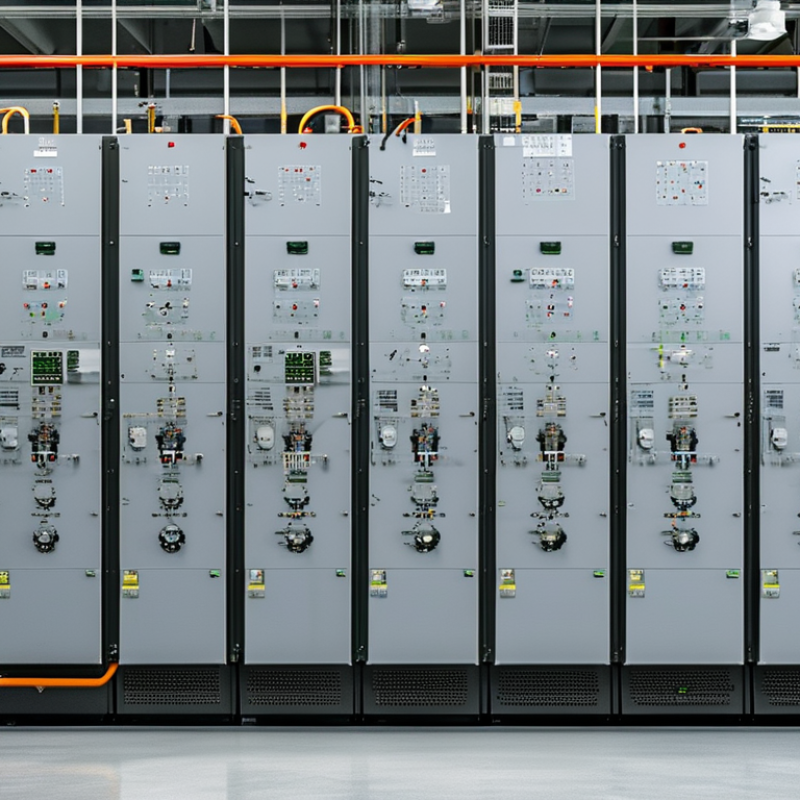
Switchgear plays a pivotal role in the industrial sector. It facilitates the control, protection, and isolation of electrical equipment.
According to recent industry reports, the global switchgear market is projected to grow at a CAGR of 6% from 2023 to 2030.
This growth reflects the increasing demand for reliable and efficient energy solutions in industrial applications.
Effective switchgear enhances operational safety. Proper selection reduces equipment failures and maintenance costs.
However, many industries still struggle with outdated switchgear systems. This can lead to unexpected outages or safety incidents.
A study revealed that nearly 25% of industrial facilities experience unplanned downtime due to inadequate switchgear.
This highlights the need for thorough assessment and modernization.
Robust switchgear enhances energy efficiency. Its deployment in industrial settings has improved overall system performance by up to 30%.
Yet, it's essential to recognize that not all solutions are one-size-fits-all.
Industries should consider factors like load requirements and environmental conditions during selection.
Adopting a tailored approach can significantly enhance system reliability and longevity.
Selecting switchgear for industrial applications requires understanding the main types available. Typically, three primary categories exist: air-insulated switchgear (AIS), gas-insulated switchgear (GIS), and hybrid switchgear. Each type serves specific needs within various environments. AIS is commonly used for its simplicity and cost-effectiveness. It's suitable for medium-voltage applications. However, it may require more space, which is a consideration for many facilities.
GIS, on the other hand, offers compactness and high reliability. This type is often used in areas with space constraints. It utilizes a gaseous insulating medium, which enhances its safety and performance. A drawback is the initial investment cost, which can be higher than AIS. Hybrid switchgear combines benefits from both AIS and GIS, providing flexibility and durability. It's ideal for modern industrial settings but can be complex to maintain.
Choosing the right switchgear is influenced by environmental conditions, available space, and budget constraints. Industries also need to consider faults, operational continuity, and future scalability. Making a well-informed decision involves evaluating these factors critically. Reflecting on past experiences with switchgear failures can guide better choices today.
Selecting switchgear for industrial applications requires careful consideration of various factors. One key aspect is the operational voltage. According to the IEEE 3006.1 standard, ensure the switchgear can effectively handle the voltage requirements of your facility. This often necessitates robust insulation materials to comply with safety regulations.
Another critical factor is the expected load. Research indicates that over 30% of facilities underestimate their peak load requirements, leading to frequent failures. Addressing this issue means consulting load studies before making a decision. It’s essential to select switchgear rated for higher capacity than your maximum load to ensure reliability.
Space constraints also play a pivotal role. Many industrial spaces have limited footprints. This reality forces a choice between compact designs and functionality. Understanding airflow and thermal management is crucial. Poor design choices in these areas can lead to overheating. Thus, involving a professional early in the planning can mitigate costly mistakes.
| Key Factor | Description | Importance Level | Notes |
|---|---|---|---|
| Voltage Rating | The maximum voltage the switchgear can handle safely. | High | Ensure compatibility with your facility's electrical system. |
| Current Rating | The maximum continuous current that can pass through the switchgear. | High | Select a rating that exceeds peak load requirements. |
| Short-Circuit Rating | The highest short-circuit current the equipment can withstand. | Critical | Essential for safety and equipment protection. |
| Protection Features | Built-in mechanisms to protect against overload and faults. | High | Look for adjustable protection settings. |
| Design and Build Quality | Material and construction standards affecting durability. | Moderate | Consider environmental conditions where it will be used. |
| Standards Compliance | Adherence to industry standards like IEC, ANSI, etc. | Critical | Ensure compliance for legal and safety reasons. |
| Cost | Initial cost and total cost of ownership. | Moderate | Evaluate based on budget and long-term investments. |
When installing industrial switchgear, attention to detail is crucial. Proper site preparation can prevent future issues. Ensure that the environment is clean and free of debris. Pay close attention to the accessibility of all components. This makes maintenance much easier later on.
During installation, follow the manufacturer's guidelines carefully. Remember that connections need to be tight, but not overly forced. Incorrect tightening can lead to electrical failures. Each switchgear component should be labeled clearly for easy identification during maintenance. Training personnel on these installations is vital for long-term reliability.
Maintenance is where many overlook critical elements. Regular inspections are necessary, not optional. Look for signs of wear or corrosion. Dust accumulation can hinder performance. It's essential to have a schedule and stick to it. Reflect on past maintenance records. This can reveal patterns that could help prevent future issues. Regular checks can save significant time and expenses down the road.
As industrial applications evolve, switchgear technology is also making significant strides. According to a recent report by ResearchAndMarkets, the global switchgear market is projected to grow at a CAGR of over 6% from 2021 to 2026. This growth indicates rising investments in modernization and energy efficiency.
One key trend is the shift toward smart switchgear. These advanced systems integrate digital technology and IoT capabilities. Smart switchgear improves monitoring and management of electrical networks. However, the complexity of these systems can raise concerns about cybersecurity and equipment reliability. Companies must balance innovation with the need for robust protection against potential threats.
Sustainability is another driving factor. Many industries are focusing on reducing their carbon footprint. Eco-friendly switchgear options are becoming popular. Reports highlight that sustainable technologies could reduce greenhouse gas emissions by up to 30%. Yet, the transition can be challenging. Organizations must carefully evaluate their current infrastructure before making significant changes. Failure to do so could lead to unexpected downtime or costly failures.
: Ensure the switchgear can handle your facility's voltage needs. Use robust insulation to comply with safety standards.
Many underestimate peak load requirements. Choosing higher-rated switchgear prevents frequent failures and improves reliability.
Limited space requires balancing compact designs with functionality. Understand airflow to avoid overheating issues in your setup.
Prepare the site well. Keep it clean and accessible for maintenance. Follow guidelines closely and avoid over-tightening connections.
Regular inspections can identify wear or dust buildup. Sticking to a maintenance schedule prevents costly future issues.
Smart switchgear integrates IoT for better monitoring. However, complexity raises concerns about cybersecurity and equipment reliability.
Eco-friendly switchgear is on the rise. Technologies can reduce emissions, but careful evaluation of existing infrastructure is essential before changes.
Transitioning to new technologies can lead to unexpected downtime if current systems aren't thoroughly evaluated and managed.
Clear labeling of components makes it easier to identify parts during inspections. This practice can save time in maintenance tasks.
Look for signs of wear, dust accumulation, or corrosion. Reflecting on past maintenance records helps prevent recurring issues.
Selecting the right switchgear for industrial applications is critical for ensuring operational efficiency and safety. In the article, we explore the fundamentals of switchgear, emphasizing its significance in various industrial settings. We provide a comprehensive guide to the different types of switchgear available, outlining their specific applications and advantages.
When contemplating how to select switchgear for industrial applications, several key factors come into play, including system requirements, environmental conditions, and regulatory compliance. The article also highlights best practices for installation and maintenance, crucial for maximizing the lifespan and reliability of switchgear systems. Furthermore, we discuss emerging trends in switchgear technology, which promise to enhance performance and integrate advanced features tailored to the evolving needs of industrial facilities.

Zago Electric