The reliability of switchgear is critical in powering industries and infrastructure. However, an alarming trend reveals frequent failures across China’s top markets. Understanding what causes switchgear failure is essential for mitigating risks and enhancing performance. Reports indicate that over 30% of electrical failures stem from equipment malfunctions, highlighting the urgency for comprehensive analysis.
Factors such as poor design, inadequate maintenance, and environmental stress contribute to these failures. For instance, data from industry studies shows that 25% of failures occur due to improper installation practices. Additionally, exceeding temperature ratings leads to insulation breakdowns, emphasizing the need for stringent quality control.
In China, the demand for reliable switchgear continues to rise, yet issues persist. The lack of standardized testing can result in undetected flaws. As we explore what causes switchgear failure in key markets, it's vital to reflect on these challenges. Addressing them will require collaboration among manufacturers, users, and regulators to ensure safe and efficient operation.
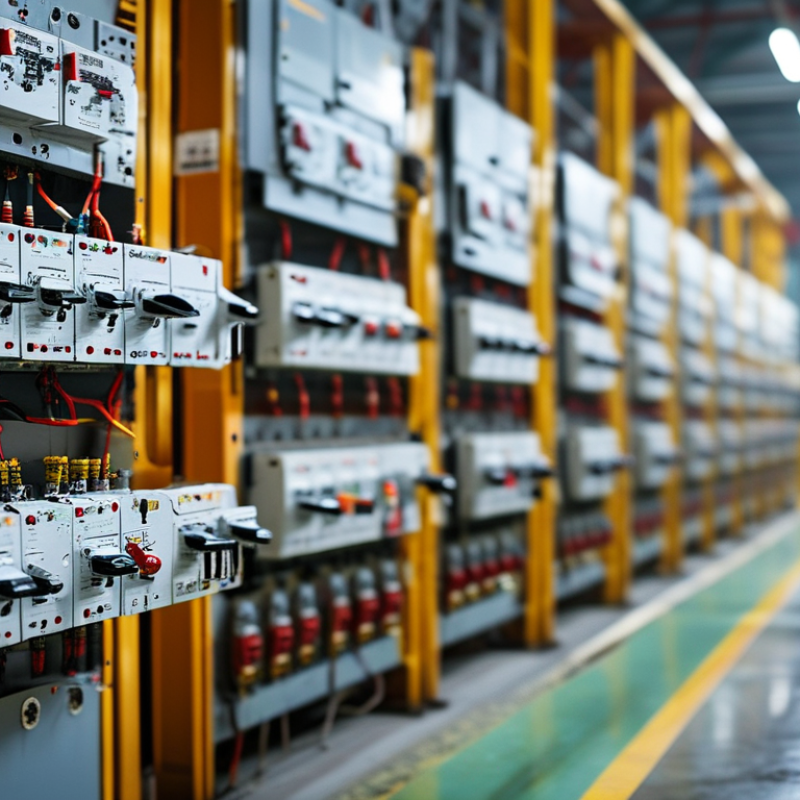
Switchgear failure in China’s key markets often stems from various factors. Inadequate maintenance practices are a significant cause. According to a 2023 report by the China Electrical Equipment Industry Association, approximately 40% of switchgear failures result from neglecting routine checks and maintenance schedules. This neglect can lead to overheating or operational failures, posing safety risks in industrial environments.
Environmental conditions play a crucial role too. High humidity levels and dust accumulation can degrade switchgear performance. A study by the National Electrical Testing Association indicated that over 30% of switchgear malfunctions are linked to environmental factors. Proper housing and regular cleaning can mitigate these risks and extend the lifespan of the equipment.
**Tip:** Regular maintenance checks should be scheduled every six months. This helps identify potential issues before they escalate.
Another critical factor is poor installation practices. Inadequate training for installation personnel can lead to subpar setups, increasing the likelihood of failure. Data shows that up to 25% of errors in switchgear performance are installation-related. Investing in high-quality training for technicians can drastically reduce this risk.
**Tip:** Utilize only qualified electricians for installations. Their expertise can prevent costly future repairs.
Environmental factors significantly influence switchgear reliability in China's top markets. Frequent temperature fluctuations and humidity can accelerate wear in insulation materials. Research shows that prolonged exposure to high humidity can reduce insulation resistance by up to 50%. This poses challenges for operators, as failure rates increase with prolonged exposure to these conditions.
Dust and pollution also play critical roles. High particulate matter levels can lead to electrical tracking, which can shorten the lifespan of switchgear devices. A study found that dirty environments increase maintenance costs by 30%. Understanding these factors is crucial for improving switchgear performance and reliability.
Tip: Regular maintenance checks can mitigate environmental impacts. Ensure that switchgear is regularly cleaned and inspected, particularly in urban areas with high pollution levels.
Implementing protective measures is essential. Use enclosures to shield switchgear from dust and moisture. Increasing awareness can help stakeholders take appropriate steps to prevent failures. Invest in reliable monitoring systems for early detection of potential issues.
Manufacturing quality significantly impacts switchgear performance, especially in critical markets. In China, where demand is rising, the focus on quality is paramount. Poor manufacturing practices can lead to unforeseen failures. For instance, substandard materials may fail under stress, resulting in equipment malfunction. A small defect can disrupt an entire electrical network.
Precision in production processes is crucial. Many factories overlook quality control measures. Inconsistent testing protocols can have dire consequences. Without proper inspection, hidden flaws in switchgear might go unnoticed. This negligence often leads to increased maintenance costs and safety risks.
Reliability is built through careful manufacturing. Even minor changes in the production environment can influence outcomes. Staff training in quality assurance is essential. Time and resources spent on quality now can prevent larger issues later. Conclusively, investing in quality manufacturing can protect against costly failures and enhance performance in challenging markets.
Aging infrastructure is a significant concern in the switchgear industry. Many facilities have outdated systems that struggle to maintain efficiency. These systems often face issues such as insulation degradation and component wear. Such problems can lead to unexpected failures, posing risks to electrical grids. Increased maintenance costs and reduced reliability are common consequences of using old equipment.
Tips: Regular inspections can catch early signs of failure. Consider adopting predictive maintenance strategies. This approach uses data analysis to foresee potential issues, ensuring better reliability.
Switchgear efficiency heavily depends on the condition of its components. When components age, their operational performance falters. For instance, circuit breakers may trip unexpectedly. This can cause outages and endanger equipment. Moreover, replacing just one part often isn’t enough. Entire systems may require upgrades to meet modern standards.
Tips: Invest in training for staff on proper maintenance. Continuous learning can prolong equipment life. Keeping documentation up to date aids in understanding system history, which can prevent future failures.
Switchgear failure can significantly disrupt power distribution, especially in China's top 10 markets. Maintenance practices are crucial in mitigating these risks. Recent industry reports indicate that approximately 70% of switchgear failures are due to insufficient or poor maintenance. Regular inspections can identify potential issues before they escalate into costly outages.
For instance, a study from the International Electrotechnical Commission reveals that neglected switchgear can lead to equipment breakdowns costing firms around $500,000 per incident. The emphasis on preventive maintenance is often overlooked. Many facilities operate with outdated equipment, increasing the likelihood of failures. Adopting a proactive maintenance schedule ensures optimal performance and prolongs equipment life.
Furthermore, data from the China Electric Power Research Institute shows that implementing rigorous maintenance strategies can reduce failure rates by up to 30%. However, many companies still lack a standardized maintenance protocol. This gap highlights the need for continuous training and adherence to best practices in the industry. Investing in maintenance not only prevents failures but also fosters reliability in power systems.
This chart displays the primary causes of switchgear failures in the top 10 markets in China. The data highlights the importance of maintenance practices in mitigating these issues, showcasing how different causes contribute to overall failures.
: Environmental factors like temperature and humidity can accelerate wear in insulation materials, increasing failure rates.
Prolonged exposure to high humidity can reduce insulation resistance by up to 50%, creating challenges for operators.
High levels of dust and pollution can lead to electrical tracking, shortening the lifespan of switchgear devices.
Studies show that dirty environments can increase maintenance costs by 30%, stressing the importance of regular cleaning.
Using enclosures can shield switchgear from dust and moisture, improving reliability and performance.
Regular maintenance checks can identify issues early, helping to prevent costly outages and equipment breakdowns.
Neglected switchgear often leads to costly equipment breakdowns, with incidents averaging around $500,000 each.
Implementing rigorous maintenance strategies can reduce failure rates by up to 30%, enhancing overall reliability.
Many companies lack standardized maintenance protocols and do not prioritize preventive maintenance, increasing failure risks.
Continuous training and adherence to best practices are essential for ensuring effective maintenance and preventing failures.
The article titled "What Causes Switchgear Failure in China Top 10 Markets?" explores several critical factors contributing to switchgear failures in China. Key causes include environmental influences, such as temperature fluctuations and humidity, which can significantly affect the reliability and performance of switchgear systems. Additionally, the quality of manufacturing plays a vital role, as substandard components can lead to premature failures.
Aging infrastructure is another significant challenge, as older systems often struggle to meet modern demands, leading to inefficiencies. Lastly, the article emphasizes the importance of maintenance practices; regular upkeep is essential in preventing failures and ensuring optimal functioning of switchgear units. Understanding what causes switchgear failure is crucial for enhancing reliability and extending the lifespan of these essential components in the electrical infrastructure.

Zago Electric