Electrical switchgear plays a vital role in managing electrical power across various industries. Understanding the question, "what industries use electrical switchgear," reveals a vast landscape. According to a recent report by MarketsandMarkets, the switchgear market is projected to reach USD 135.2 billion by 2026, growing at a CAGR of 6.9%. This growth highlights the critical nature of electrical switchgear in sectors such as power generation, oil and gas, and manufacturing.
In the power generation sector, switchgear ensures safe distribution and management of electricity. It safeguards equipment from faults and facilitates maintenance. The oil and gas industry relies heavily on robust electrical systems for exploration and extraction. Additionally, industrial manufacturing uses switchgear for machinery operation and automation. Companies like Siemens and Schneider Electric lead the market, showcasing innovation and reliability in their offerings.
However, not all industries utilize switchgear effectively. Smaller businesses might overlook its importance, resulting in operational risks. Without proper understanding, they may face safety hazards and outages. Addressing these gaps is critical to harnessing the full potential of electrical switchgear across industries.
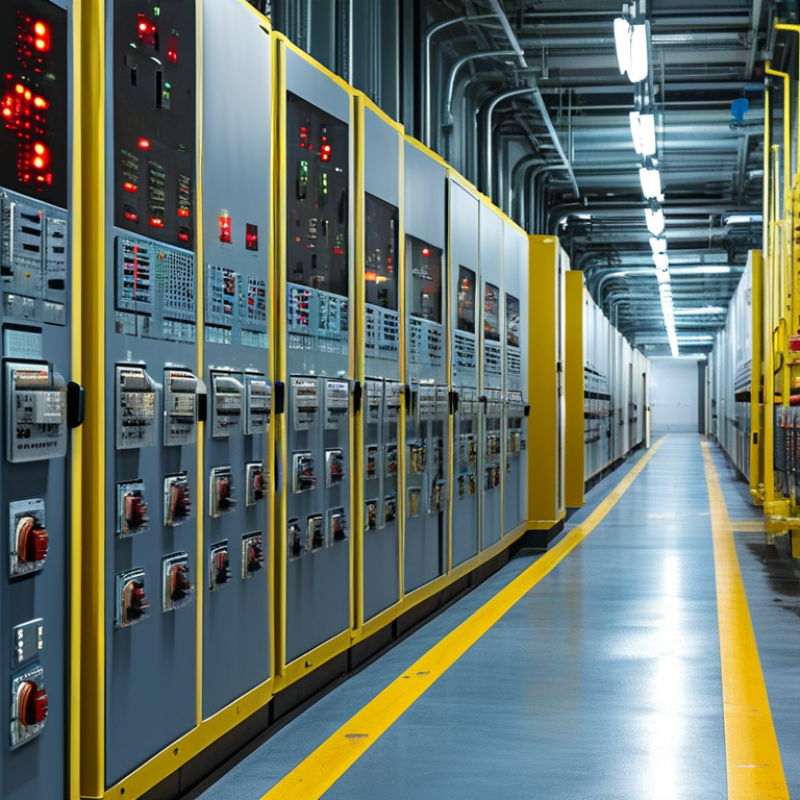
Electrical switchgear is essential in managing electricity transmission and distribution. It includes devices that control, protect, and isolate electrical equipment. Industries across the globe use switchgear in various applications, from power generation to manufacturing. The global electrical switchgear market is projected to grow significantly. According to a recent report, the industry is expected to reach USD 160 billion by 2026, reflecting a compound annual growth rate (CAGR) of 6.5%.
In the energy sector, switchgear ensures reliable electricity supply. Renewable energy systems, like wind and solar, heavily rely on efficient switchgear for grid integration. In manufacturing, it is crucial for machinery protection. Hospitals also depend on switchgear for uninterrupted power to medical equipment. However, the technology faces challenges. Aging infrastructure can lead to increased maintenance costs and downtime.
Tips: Regular maintenance of switchgear can enhance its lifespan. Utilize monitoring tools for real-time performance insights. A proactive approach often reveals hidden issues before they escalate. Addressing shortcomings early on can save time and resources. Investing in training for your team can improve safety and efficiency, ultimately benefiting overall operations.
Electrical switchgear plays a vital role across various industries globally. The energy sector is one of the primary users, especially in power generation and distribution. According to the International Energy Agency, the demand for electricity is expected to increase by 3% annually through 2030. This strong demand drives the need for reliable switchgear solutions to enhance efficiency and safety.
Moreover, industries such as manufacturing and construction rely heavily on electrical switchgear for operational stability. Reports from industry analysts indicate that the manufacturing sector's electrical switchgear segment is projected to grow at a compound annual growth rate (CAGR) of 4.5% from 2021 to 2028. This growth highlights the importance of robust electrical systems in maintaining workflow and productivity.
Tips: Regular maintenance of switchgear systems is crucial. This can prevent unexpected failures and costly downtime. Additionally, consider investing in advanced digital switchgear technologies. These innovations offer improved monitoring and control, optimizing energy consumption. Adopting these practices can enhance system longevity and performance, ultimately benefiting your operations.
| Industry | Application | Market Share | Growth Rate (2023) |
|---|---|---|---|
| Oil & Gas | Oil Refineries, Exploration | 28% | 5% |
| Utilities | Power Generation, Distribution | 32% | 6% |
| Manufacturing | Production Facilities | 22% | 4% |
| Transportation | Railways, Airports | 10% | 3% |
| Construction | Commercial Buildings, Infrastructure | 8% | 2% |
Electrical switchgear plays a crucial role in the power generation sector. It functions as a control point for managing electrical distribution. This equipment safeguards electrical circuits and allows operators to safely manage electricity flow. According to the International Energy Agency (IEA), the global demand for electric power is projected to grow by 2.1% annually until 2040. With this growth, the demand for efficient switchgear solutions rises.
In renewable energy installations, switchgear ensures the safe integration of alternative energy sources. It regulates the output from solar panels and wind turbines. For example, in a recent report from MarketsandMarkets, the switchgear market is expected to reach USD 150 billion by 2025. This highlights the increasing reliance on electrical switchgear in modern power generation.
However, challenges persist. Aging infrastructure requires significant upgrades. Many power plants face difficulties in adopting advanced switchgear components. Issues such as supply chain disruptions have been noted in various studies. These obstacles can hinder the sector's efficiency and growth potential. Despite these hurdles, the integration of innovative switchgear remains vital for effective power delivery.
Electrical switchgear plays a vital role in manufacturing and industrial facilities. It acts as a control system, managing electrical energy throughout facilities. This equipment ensures safe power distribution and protects machinery from overloads and short circuits. In many plants, efficient operation depends on reliable switchgear systems. These systems often house services like circuit breakers and protective devices.
In environments where reliability is essential, switchgear must be maintained diligently. Regular inspections can prevent failures that disrupt operations. However, many facilities overlook routine maintenance, resulting in avoidable downtime. Proper training of personnel is crucial. Well-informed staff can identify issues early, promoting safety and efficiency. The complexity of switchgear invites a need for ongoing education, yet many industries struggle with this challenge.
Moreover, switchgear influences energy efficiency. Outdated systems may waste power, leading to increased operational costs. Facilities must assess their equipment regularly, ensuring they meet current energy standards. Upgrading switchgear can appear costly but often results in long-term savings and sustainability benefits. Balancing immediate investment with future gains is a difficult but necessary task for many industrial operations.
The following chart illustrates the percentage distribution of electrical switchgear usage across various industries. This highlights the significance of electrical switchgear in ensuring efficient and safe operation within manufacturing and industrial facilities.
Electrical switchgear plays a pivotal role across numerous industries. The utility sector heavily relies on switchgear for reliable power distribution.
According to a recent market report, the global switchgear market was valued at approximately
$100 billion in 2022, with a projected growth rate of 6% CAGR through 2030.
This growth is attributed to increasing demands for efficient energy management and renewable energy integration.
Emerging trends indicate that industries are increasingly adopting digital switchgear.
Smart technologies enable real-time monitoring and control. This shift enhances operational efficiency.
For example, the manufacturing sector is leveraging smart grids, significantly reducing downtime and operational costs.
As noted in various studies, 30% of manufacturers are expected to adopt smart switchgear solutions by 2025.
However, challenges exist in implementing these technologies. Initial costs can be substantial.
Additionally, many companies face skill gaps in their workforce. This lack of expertise can complicate the transition to advanced electrical solutions.
Continuous training and investment in human resources stand as
critical needs for successful adoption.
Thus, while the future looks promising, careful considerations are necessary for businesses venturing into modern electrical switchgear solutions.
: It manages electrical energy, ensuring safe power distribution and protecting machinery from overloads and short circuits.
It helps prevent failures and avoidable downtime, ensuring efficient operations and safety.
Well-trained staff can identify issues early, promoting operational efficiency and safety.
They can waste power, increasing operational costs for the facility.
Yes, upgrades can reduce costs and improve sustainability, despite initial expenses.
The adoption of digital switchgear is increasing, enhancing real-time monitoring and operational efficiency.
Approximately 30% are expected to adopt these solutions by 2025.
Initial costs are high, and many lack the necessary workforce skills for these advanced technologies.
It addresses the skill gaps in the workforce, aiding the transition to modern electrical solutions.
They should weigh the costs against future gains and ensure proper training for their staff.
Electrical switchgear plays a crucial role in the efficient management and distribution of electrical power across various sectors. Industries utilizing electrical switchgear include power generation, manufacturing, and industrial facilities. Specifically, in the power generation sector, electrical switchgear ensures the reliable operation of equipment and facilitates the safe distribution of electricity from generation sites to consumers. In manufacturing and industrial facilities, it enhances operational safety and efficiency, protecting machinery from electrical faults.
Emerging trends indicate a growing adoption of advanced electrical switchgear technologies across diverse industries, driven by the need for enhanced safety, reliability, and automation in power management. As a result, understanding what industries use electrical switchgear is essential for stakeholders aiming to leverage these advancements for improved operational performance.

Zago Electric