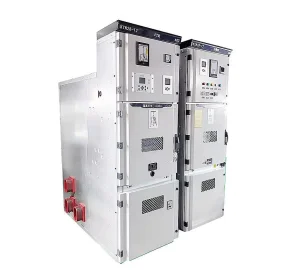
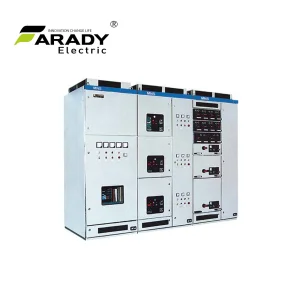
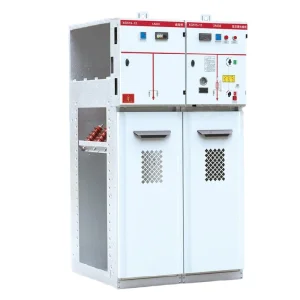
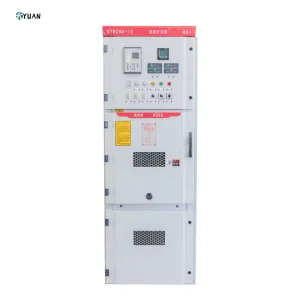
Engineered for high-durability medium voltage configuration, featuring withdrawable air-insulated mechanisms.
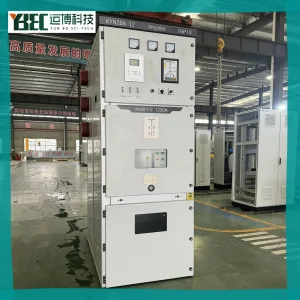
As the Republic of Kiribati modernizes its electrical grid under the Kiribati Integrated Energy Roadmap (KIER), the demand for highly reliable electrical distribution equipment has escalated. Operating across a vast expanse of the central Pacific Ocean, Kiribati’s grid infrastructure is confronted by some of the most aggressive environmental challenges globally. High ambient salinity, constant exposure to humid sea spray, and rising global temperatures call for power distribution assets with exceptional resilience. In this context, metal-clad switchgear (specifically compliance-tested to IEC standards) has emerged as the definitive technical standard to secure primary distribution networks across South Tarawa, Kiritimati (Christmas Island), and adjacent outer islands.
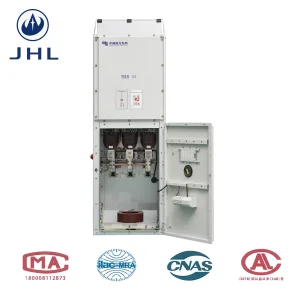
For electrical contractors, utility developers (such as the Public Utilities Board - PUB), and multi-lateral aid project engineers, sourcing heavy-duty switchgear requires a partner with deep engineering expertise. Metal-clad switchgear functions as the backbone for protecting medium-voltage distribution circuits, housing vacuum circuit breakers (VCBs), instrument transformers, and busbars within fully isolated, grounded steel compartments. This configuration prevents phase-to-phase faults, restricts internal arcing, and protects operators in high-risk coastal electrical substations.
Kiribati’s geographic isolation requires self-sufficient, highly robust localized grids. The country’s electricity infrastructure relies heavily on diesel generation coupled with a rapidly growing penetration of utility-scale and decentralized solar photovoltaics (PV). In these hybrid configurations, the role of medium-voltage switchgear changes from simple static protection to active dynamic control:
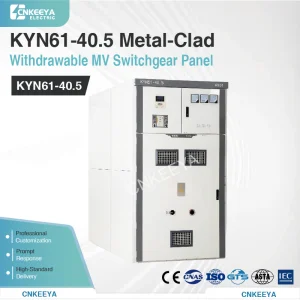
When evaluating metal-clad withdrawable switchgear for South Pacific installations, system engineers focus on three core design indices: physical safety (Internal Arc Classification), maintenance efficiency, and smart monitoring. Below is a comparative engineering overview:
| Parameter / Feature | KYN28A-12 Series (12kV Class) | KYN61-40.5 Series (40.5kV Class) | SF6 RMU / Compact Metal-Clad Hybrid |
|---|---|---|---|
| Rated Voltage | 12 kV (10kV & 11kV networks) | 40.5 kV (33kV step-up / grid) | 12 kV - 24 kV | Protection Class | IP4X (Enclosure) / IP2X (Between Compartments) | IP4X / IP2X | IP67 (SF6 Tank) / IP4X (Outer Cabinet) |
| Internal Arc Rating (IAC) | AFLR 31.5kA / 1s | AFLR 31.5kA / 1s | AFLR 25kA / 1s |
| Corrosion Protection | Aluzinc Cladding + Polyurethane Finish | Double-Layer Powder Coating C5-M | Hermetically Sealed SS Tank + Polyurethane |
| Typical Application | Distribution substation, Commercial, Solar integration | High-voltage transmission step-up, Utility hubs | Compact substations, Wind/Solar ring networks |
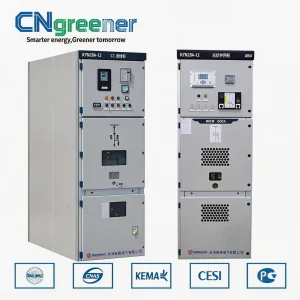
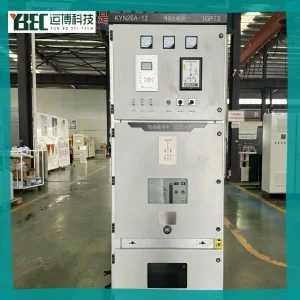
The KYN28A-12 series, utilizing air insulation alongside high-performance withdrawable vacuum circuit breakers (such as VDM4 or VS1 models), represents the gold standard for indoor distribution networks. By isolating the busbar, circuit breaker, cable terminal, and low-voltage instrument compartments, any localized failure is physically contained, preventing collateral damage to neighboring panels.
Loss of Service Continuity classification ensures that cable connection compartments can be accessed safely while the busbars remain energized, keeping system downtime at absolute zero.
Full metal enclosure certified to divert explosive energy away from operating personnel via rear and top-mounted pressure relief flaps, preventing operator injuries.
Integrated optical fiber temperature sensors at cable terminals and contact arms provide real-time thermal telemetry to SCADA systems, preventing thermal runaway.
To meet Kiribati's renewable targets, electrical switchgear must accommodate bidirectionality and variable solar inputs. Typical designs are structured with central transient protection:
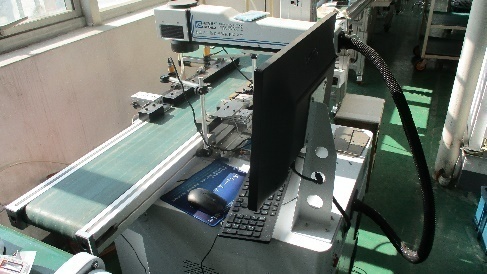
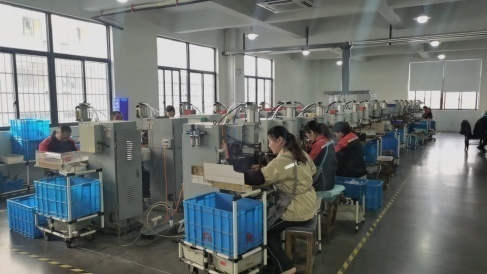
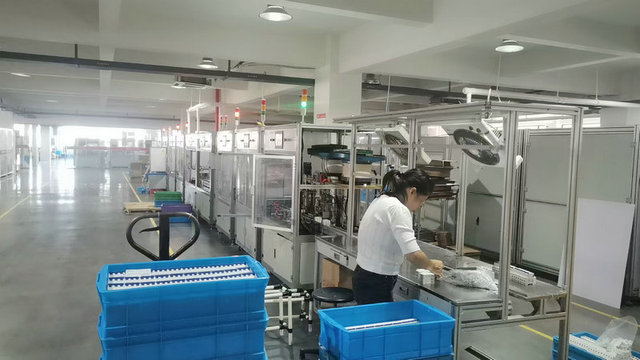
As a premier global medium and low-voltage switchgear manufacturer, Dongguan Zago Electric Co., Ltd. operates a modern 12,000 square meter production facility in Guangdong, China. Representing advanced China Industry 4.0 methodologies, our operations are optimized to guarantee quality consistency and logistic reliability for overseas projects:
Founded in 2011, Zago Electric has built a team of over 220 electrical specialists, combining advanced sheet metal fabrication, robotic structural welding, automated switchboard wiring, and automated testing rigs. We ensure that every panel shipped to the Pacific meets strict quality checks:
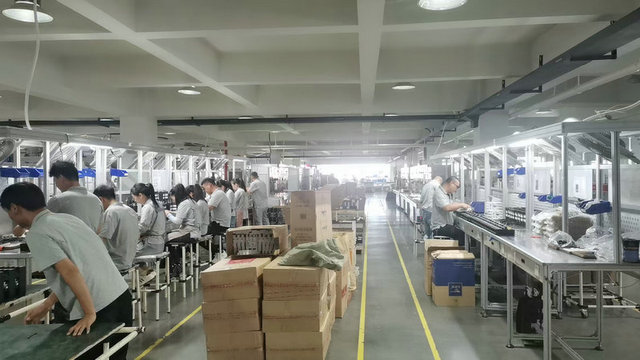
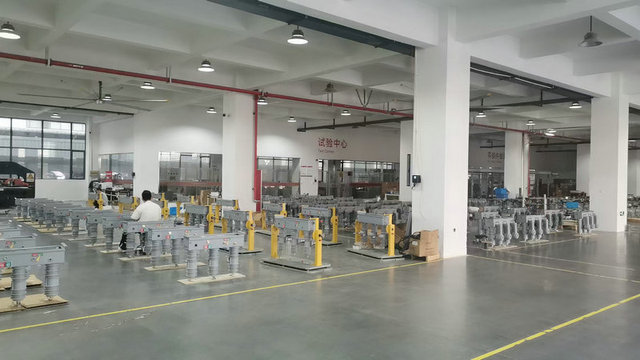
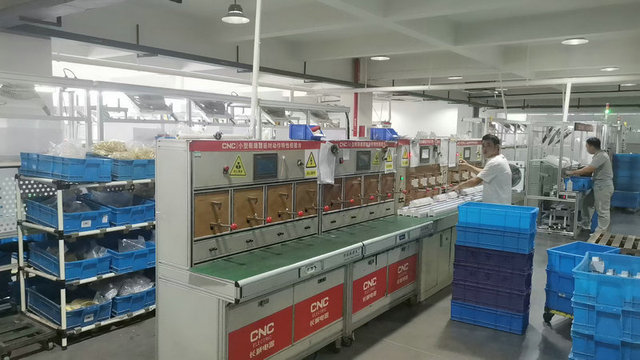
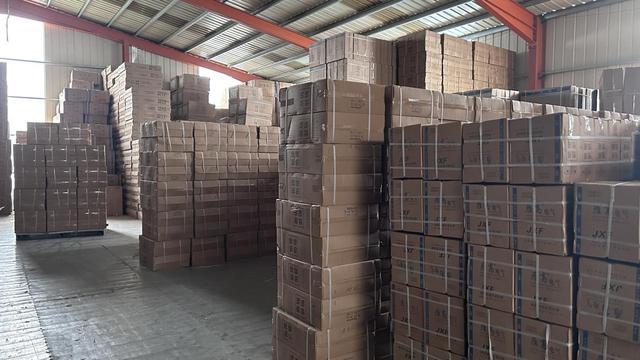
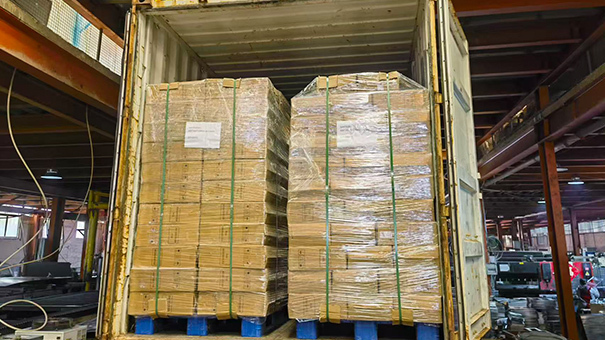
Shipping heavy industrial infrastructure to Oceania requires rigorous packing methodologies. Over the years, Zago Electric has optimized its logistics chain:
❓ What makes air-insulated switchgear suitable for high-humidity areas like Kiribati?
While gas-insulated systems are sealed, air-insulated switchgear (AIS) like KYN28-12 remains popular due to ease of maintenance and long-term cost benefits. We integrate digital anti-condensation heaters, silicon-gel insulated busbars, and robust epoxy insulation plates to prevent flashovers caused by humidity.
❓ What is the typical lead time for shipment from your China factory to South Tarawa?
Production of custom medium-voltage switchgear takes approximately 25 to 35 days, depending on mechanical configurations and component options. Maritime transit times from Shenzhen or Guangzhou ports to Betio Port usually run between 30 to 45 days.
❓ Do you offer customization for protection relays and internal breakers?
Yes. We support customized configurations. We offer internal vacuum circuit breakers (VCB) from top-tier international brands (such as ABB, Schneider, and Siemens) or high-quality domestic manufacturers. Protection relays can be selected from ABB, SEL, or Woodward to align with existing utility standards in South Tarawa.
❓ How does Zago Electric ensure remote installation and maintenance support?
Each panel is shipped with detailed structural drawings, wiring diagrams, and user manuals. We provide engineering support via video conferencing and remote assistance tools. For larger microgrid installations, we can arrange for engineering support partners to assist on-site during commissioning.
Browse our extensive selection of internationally certified power distribution panels and control cabinets.
 Zago Electric