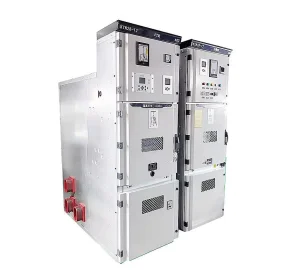
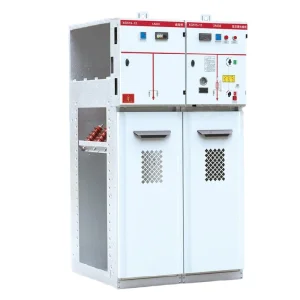
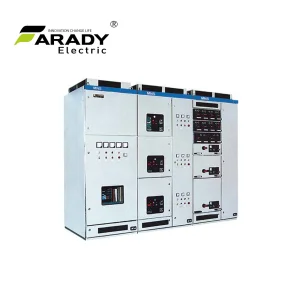
Explore our primary range of metal-clad withdrawable switchgears engineered to meet strict international IEC standards and customized to withstand the demanding ambient environments of Namibia.
Namibia is undergoing a rapid energy infrastructure transformation, driven by its National Integrated Resource Plan (NIRP) and the ambitious Harambee Prosperity Plan II. Historically dependent on electricity imports from the Southern African Power Pool (SAPP), NamPower is aggressively scaling local generation capacity. This massive transition features extensive utility-scale solar PV installations in the Karibib and Erongo regions, along with massive wind energy developments planned near Lüderitz.
However, integrating intermittent renewable sources into Namibia's expansive, sparsely populated grid poses stability challenges. Substation equipment must exhibit extreme reliability. Metal-clad switchgears act as the first line of defense, isolating fault conditions and protecting multi-million dollar transformer systems. Whether managing heavy industrial loads in the coastal salt-spray belt of Walvis Bay or enduring the scorching heat of the Namib Desert, switchgear components must be engineered to prevent localized failures from cascading into regional blackouts.
Mining remains the absolute backbone of the Namibian economy, centered heavily around uranium production (including the world-class Husab and Rössing mines), diamond operations in Oranjemund, and developing copper and gold extractions. These operations run continuously under abrasive, dust-laden atmospheric conditions that easily compromise inferior switchgear. Dust ingress inside air-insulated switchgear can trigger surface tracking across insulation barriers, resulting in destructive internal arc flashovers.
To mitigate these operational risks, global EPC contractors and engineering consultants working on Namibian mine sites enforce strict procurement specifications. The demand is heavily skewed toward metal-clad configurations conforming strictly to IEC 62271-200. These panels must offer independent metallic partitions (PM class), robust IP4X or IP5X dust protection, and comprehensive mechanical interlocks. A breakdown at a mine site translates to millions of Namibian Dollars in lost productivity, which makes equipment reliability a primary capital investment factor.
Understanding the engineering variations between standard metal-enclosed cabinets and true high-integrity metal-clad switchgear systems ensures optimal safety and durability for long-term investments.
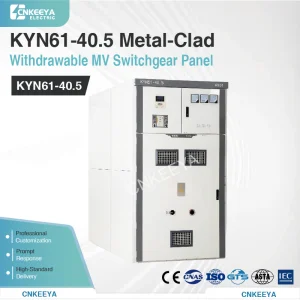
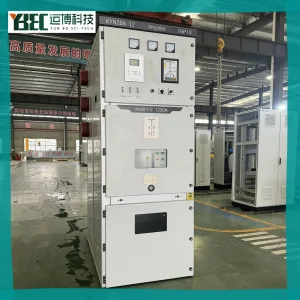
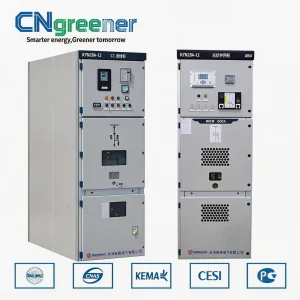
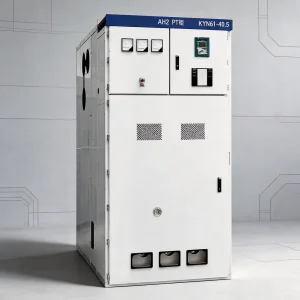
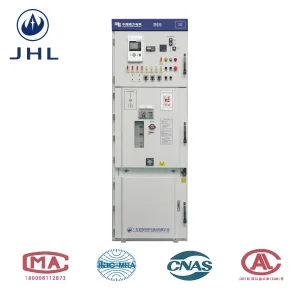
A genuine metal-clad switchgear comprises distinct, individual compartments separated by earthed metal barriers. These include the Busbar Compartment, where main copper busbars are supported by epoxy insulators; the Circuit Breaker Compartment housing the withdrawable vacuum circuit breaker (VCB); the Cable Compartment for current transformers (CTs), voltage transformers (VTs), surge arresters, and line terminations; and the Low Voltage Instrument Compartment, which houses relays, meters, control wiring, and human-machine interfaces.
This physical separation prevents any internal arc fault originating in the cable compartment from spreading to the busbar or VCB chambers, safeguarding surrounding systems and allowing targeted maintenance without shutting down the entire substation lineup.
Human error is the leading cause of medium-voltage substation incidents. Our metal-clad systems feature the rigorous "five-prevention" mechanical interlock system. This prevents the circuit breaker from being moved in or out of the test/service position while closed, prevents the grounding switch from being closed while the breaker is in the service position, and prevents the rear access doors from opening unless the earthing switch is fully engaged. These interlocks are built using heavy-gauge mechanical levers and key locks to assure absolute operator safety under all operational scenarios.
For installations in Windhoek or the Central Plateau of Namibia, which exceed altitudes of 1,000 meters (Windhoek sits at approx. 1,700m), standard switchgear designs are prone to dielectric breakdown due to lower atmospheric density. To counter this, Zago Electric calculates altitude correction factors according to IEC 62271-1, increasing clearance distances and utilizing higher-grade insulation components (such as shrinkable busbar sleeves and epoxy potting) to ensure full design insulation withstand levels (BIL) are maintained without de-rating the equipment's operational voltage.
Our heavy-duty switchgear is tailored for distribution substations, renewable energy power plants, and industrial processing hubs across Namibia.
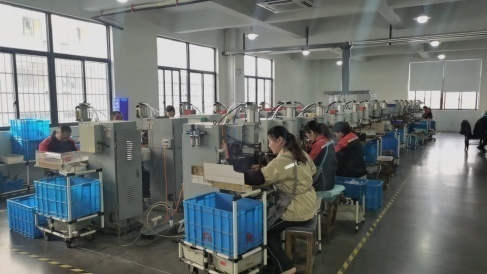
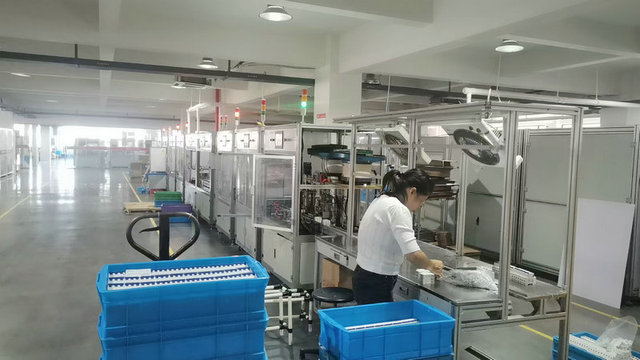
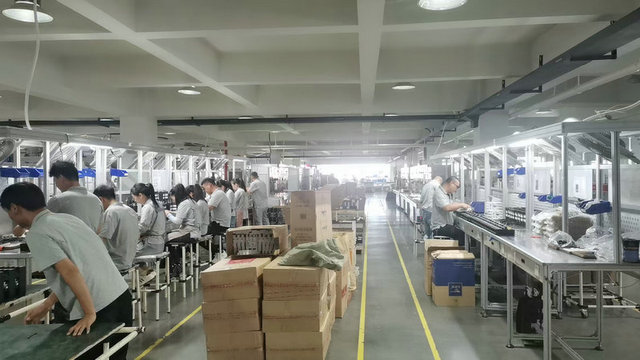
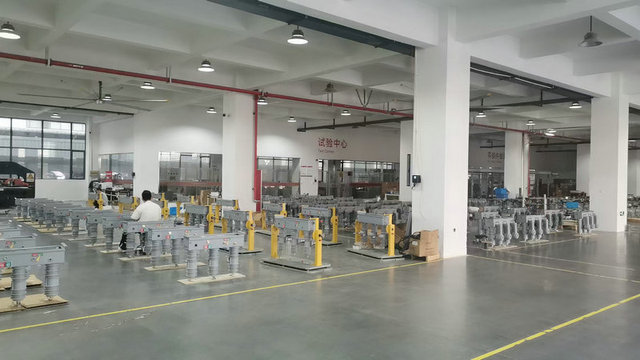
Established in 2011 in Dongguan, Guangdong Province, China—a premier global industrial manufacturing hub—Dongguan Zago Electric Co., Ltd. operates a highly advanced facility spanning over 12,000 square meters. Backed by a workforce of more than 220 electrical engineering specialists, precision technicians, and quality inspectors, Zago Electric has positioned itself as a reliable supplier of low-voltage and medium-voltage switchgears.
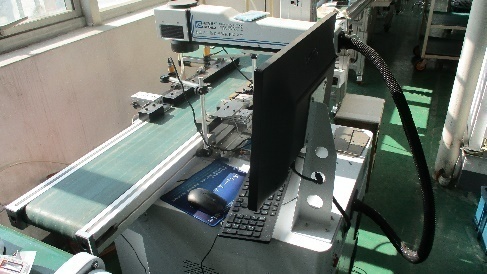
Our state-of-the-art facility integrates automated laser cutters, CNC sheet metal punching centers, and high-precision busbar bending machinery. This precision ensures that all mechanical enclosures fit together perfectly, maximizing physical integrity and arc containment. We serve global electrical contractors, system integrators, utilities, and project developers by offering highly customized OEM and ODM services that match specific project requirements.
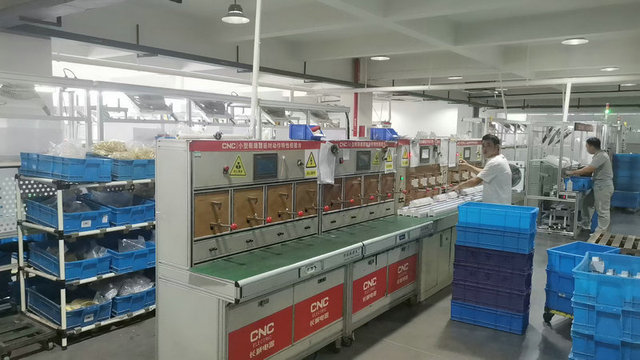
At Zago Electric, safety and long-term reliability are paramount. Our factory conducts strict Quality Control procedures throughout every phase of production. All metal-clad switchgear systems undergo routine Factory Acceptance Tests (FAT) before dispatch. These tests include power frequency voltage withstand tests on the main circuit, auxiliary control circuit insulation verification, mechanical sequence operation testing, and breaker interchangeability tests.
By shipping directly from China, we offer Namibian clients a highly optimized supply chain that balances competitive pricing with uncompromising engineering quality. From raw steel fabrication to advanced smart micro-processor relay configuration, every cabinet is engineered to withstand demanding operational conditions and protect lives and equipment.
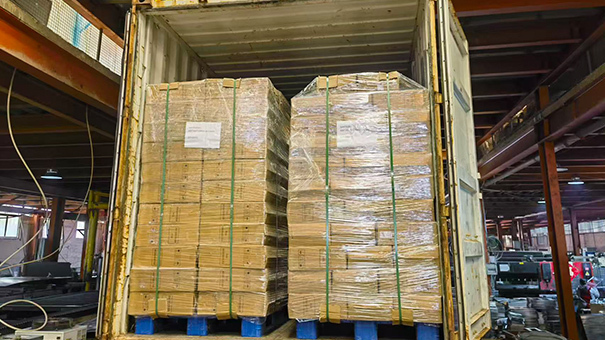
Procuring heavy electrical infrastructure across borders requires rigorous logistical planning, container safety packaging, and streamlined customs compliance.
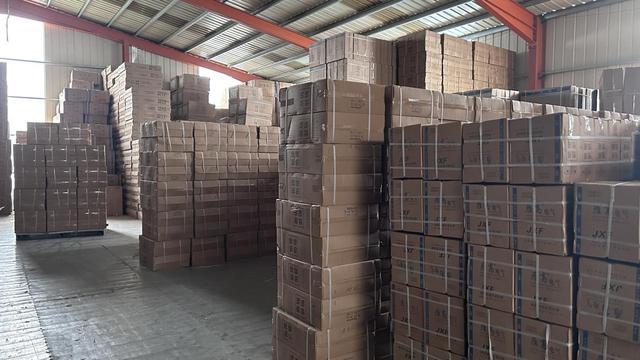
Maritime transport exposes delicate relays, microprocessors, and copper contact points to saline, high-humidity marine air. To prevent oxidation and moisture damage during transport from our Dongguan facility to the Port of Walvis Bay, Zago utilizes heavy-duty sea freight packaging. Every switchgear panel is wrapped in heavy-gauge vapor-barrier aluminum foil with desiccant packs, vacuum sealed, and secured inside robust ISPM-15 heat-treated wooden crates. Impact indicators are affixed to track transportation handling, ensuring your equipment arrives in factory-calibrated condition.
Leveraging the Walvis Bay Corridor Group networks, we ensure fast customs clearance and direct road transport to final destinations, including Windhoek, Swakopmund, Husab, and mining sites along the Trans-Kalahari Corridor. Zago Electric supplies complete documentation portfolios—including certificate of conformity (CoC), routine test reports, electrical schematics, and mechanical layouts—to simplify import declarations, preventing project delays and ensuring execution timelines remain on track.
Detailed engineering answers to the most common queries raised by consultants and procurement managers specifying switchgears for South-West African infrastructure.
At altitudes above 1000m, air density decreases, lowering its dielectric strength. For equipment deployed in Windhoek (1,700m), we apply a de-rating factor to the insulation clearance distances according to IEC 62271-1. We increase phase-to-phase and phase-to-earth clearances, utilize epoxy-coated copper busbars, and install high-creepage heat-shrink sleeves to prevent dielectric breakdowns without having to de-rate the operating voltage of the panel.
For coastal environments with high salt mist and humidity, standard powder coatings can fail, leading to rust. Zago Electric uses heavy-duty steel sheets coated with aluminum-zinc alloy (Aluzinc) for internal partitions. For outer enclosures, we apply a marine-grade epoxy powder coating (C5-M class corrosion resistance) with a thickness of at least 80-120 microns, baked at high temperatures to protect the structure from corrosive atmosphere.
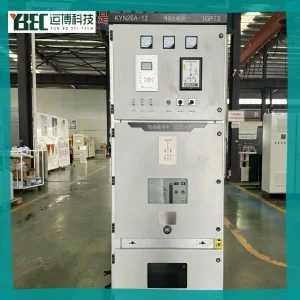
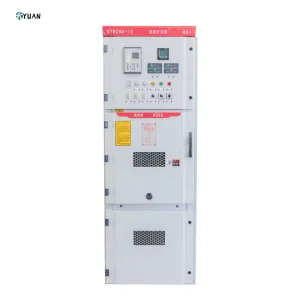
The KYN28 series incorporates distinct metallic enclosures for each primary component. If an internal arc occurs, specialized pressure relief vents located on top of the cabinet open immediately to release high-pressure gases and plasma upwards, away from the front panel. This prevents lateral damage to adjacent panels and protects operators standing in front of the switchgear, meeting the criteria for Internal Arc Classification (IAC) AFLR up to 31.5 kA for 1 second.
Yes. As an OEM/ODM provider, we customize the low-voltage control compartment to accommodate specified Intelligent Electronic Devices (IEDs), protection relays (e.g., Siemens SIPROTEC, ABB Relion, or Woodward series), power meters, and PLC systems. We design the schematics, mount the components, execute all wiring, and perform pre-commissioning testing to ensure seamless integration with your SCADA network.
Standard engineering design and fabrication at our Dongguan factory takes between 6 to 8 weeks, depending on customization details and order volume. Ocean freight transport from Shenzhen or Guangzhou ports to the Port of Walvis Bay typically takes 30 to 45 days. This results in a total turnaround of approximately 10 to 12 weeks from finalized drawing approvals to delivery on site.
Withdrawable air-insulated metal-clad switchgear utilizing vacuum circuit breakers (like the KYN28) offers excellent physical protection and simplified maintenance, as the breaker can be easily racked out for direct inspection and replacement. SF6 gas-insulated systems (GIS) are compact and sealed, making them ideal for highly confined spaces, but they present gas leakage risks and require specialized end-of-life recycling. Air-insulated switchgears provide a cost-effective, environmentally friendly option for most industrial substations.
Yes. Our switchgear models undergo comprehensive type tests in accredited third-party laboratories to verify temperature rise, short-circuit withstand capabilities, dielectric performance, mechanical operations endurance, and internal arc protection. We provide copies of these type test reports to engineers and utility planners during the design approval phase.
Designed for a service life exceeding 30 years under proper operating conditions, we recommend an annual visual inspection, thermographic scanning of busbar joints to check for hotspots, and mechanical checks on safety interlocks. Under clean substation conditions, the vacuum circuit breaker mechanism should be lubricated every 3 to 5 years, or after a specific number of operations as specified in the service manual.
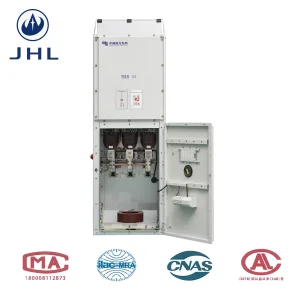
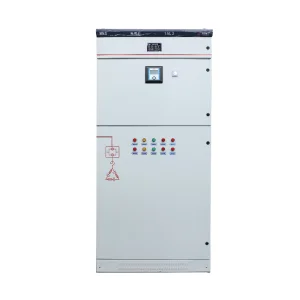
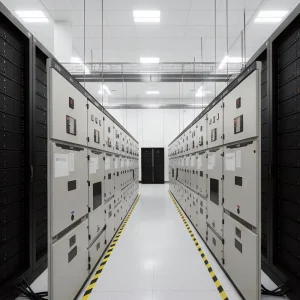
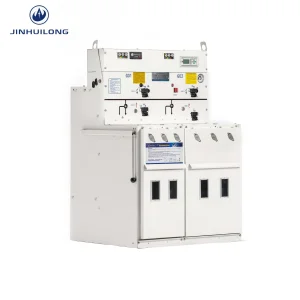
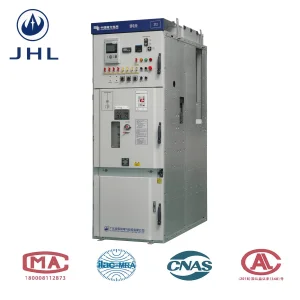
Browse our complete selection of metal-clad withdrawable and fixed type switchgear units engineered for high performance under challenging grid loads.
Get in touch with our senior engineering team to discuss custom designs, IEC compliance parameters, shipping logisitics, or to request a competitive quote for your Namibia project.
 Zago Electric