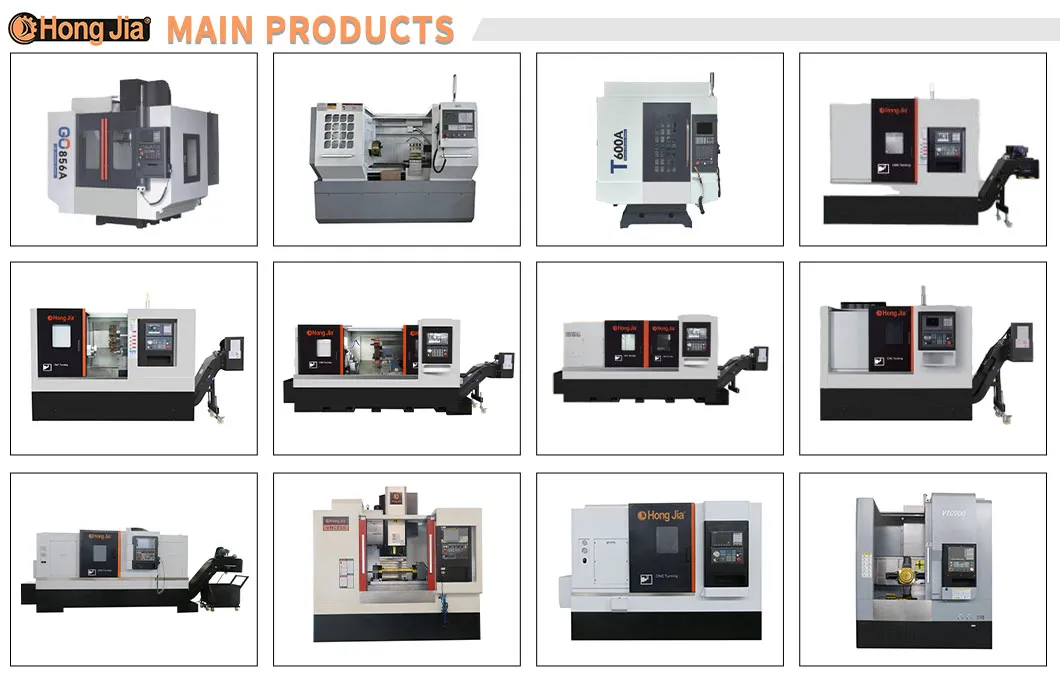
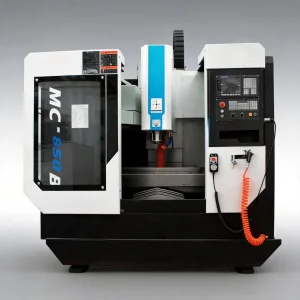
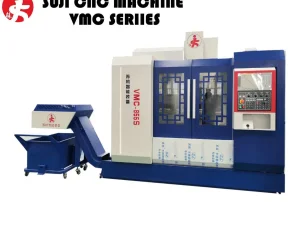
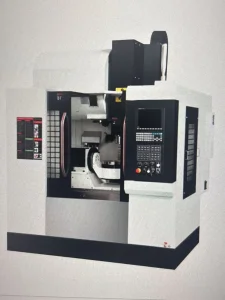
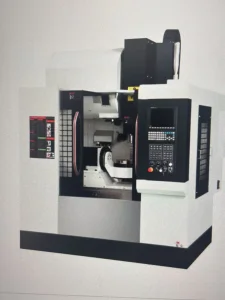
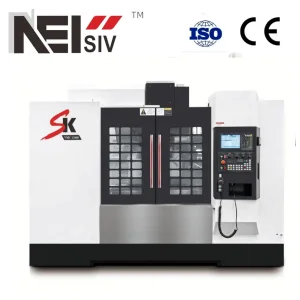
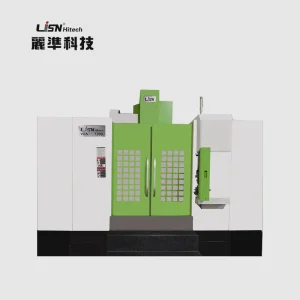
Lathe Milling Centre Machine
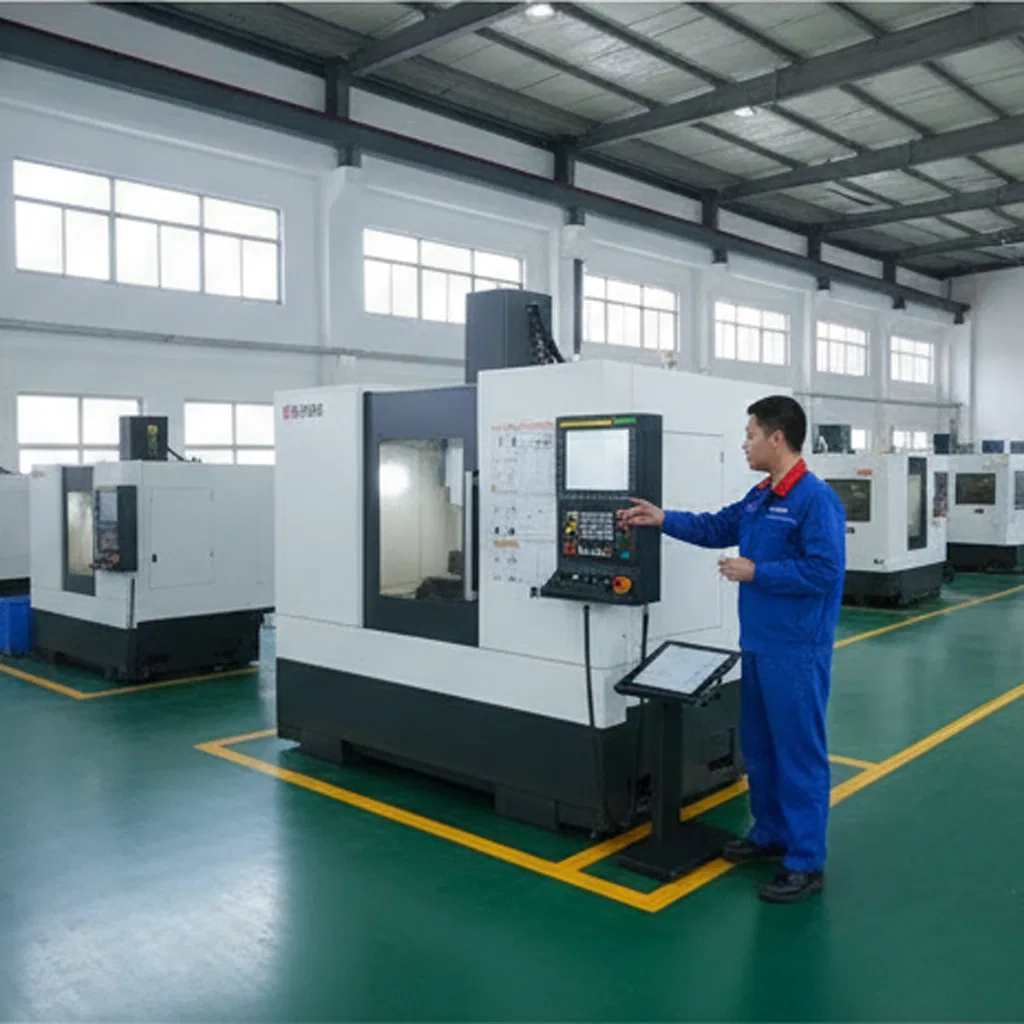
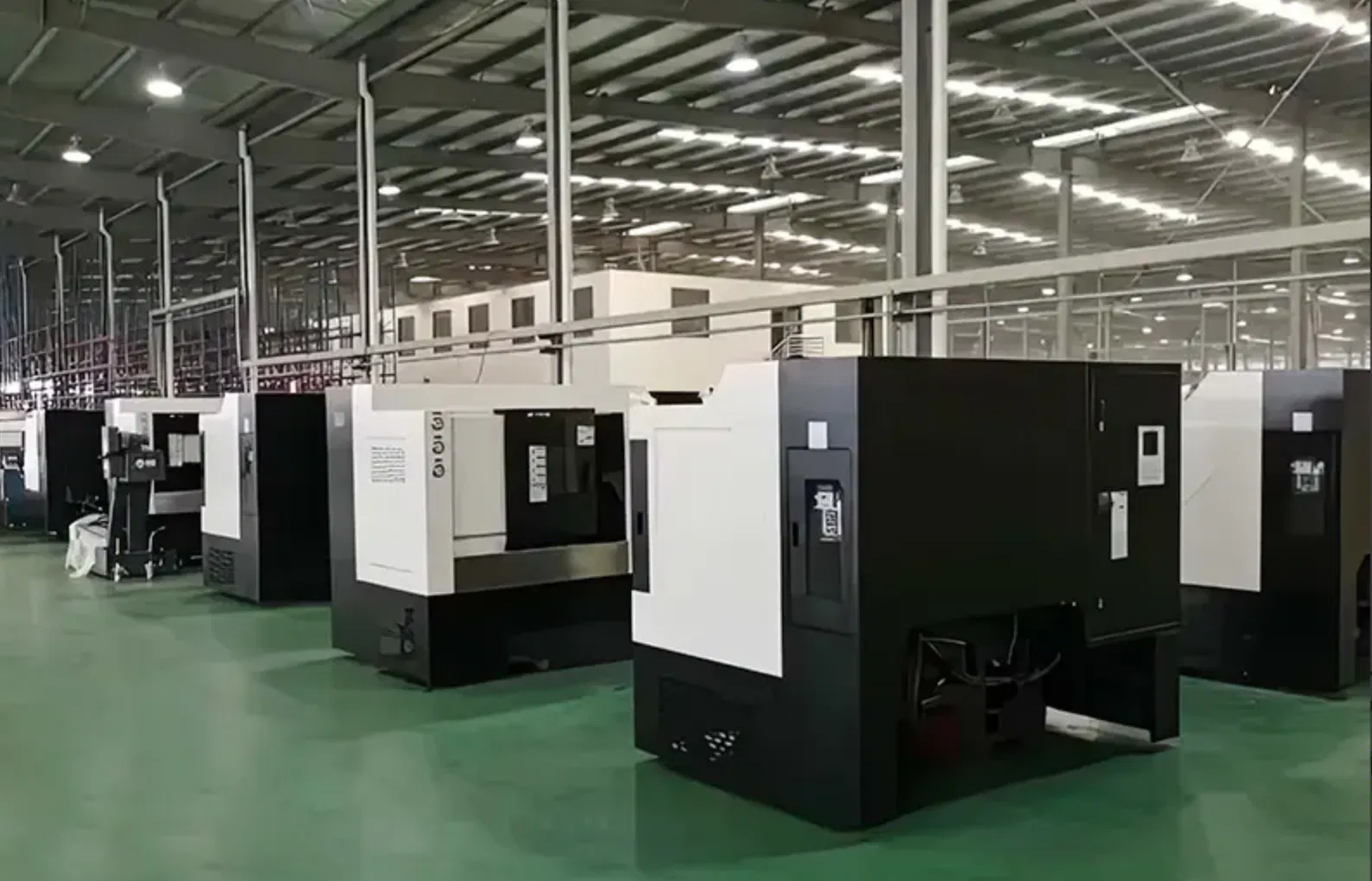
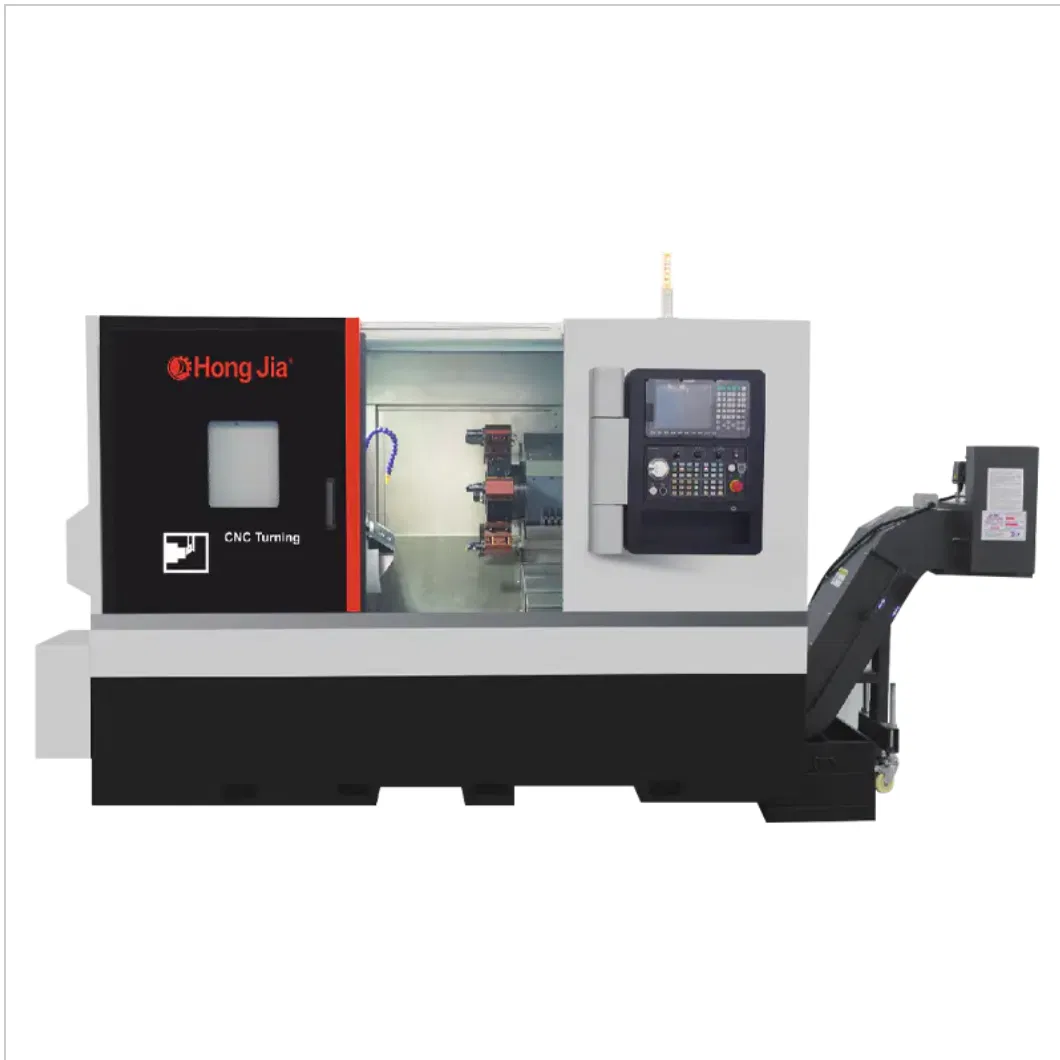
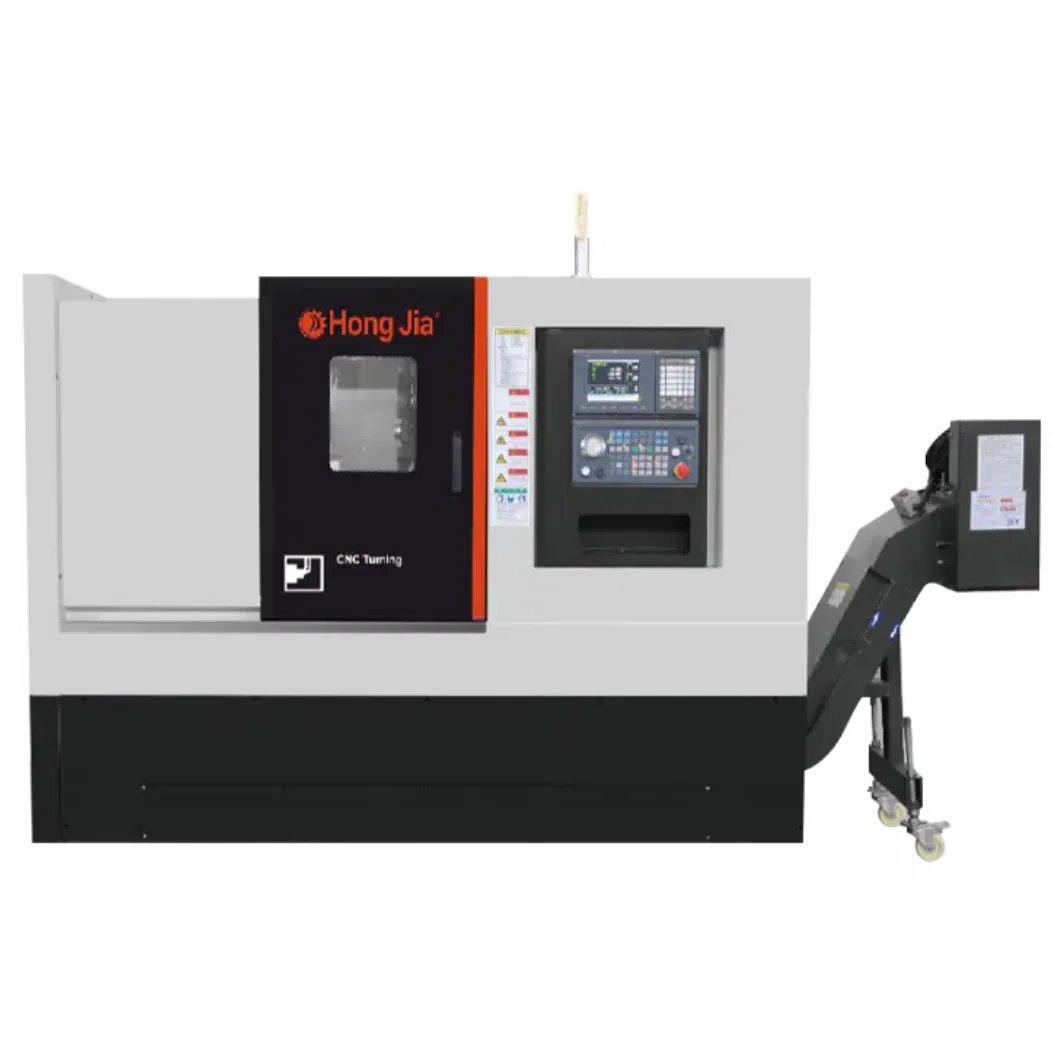
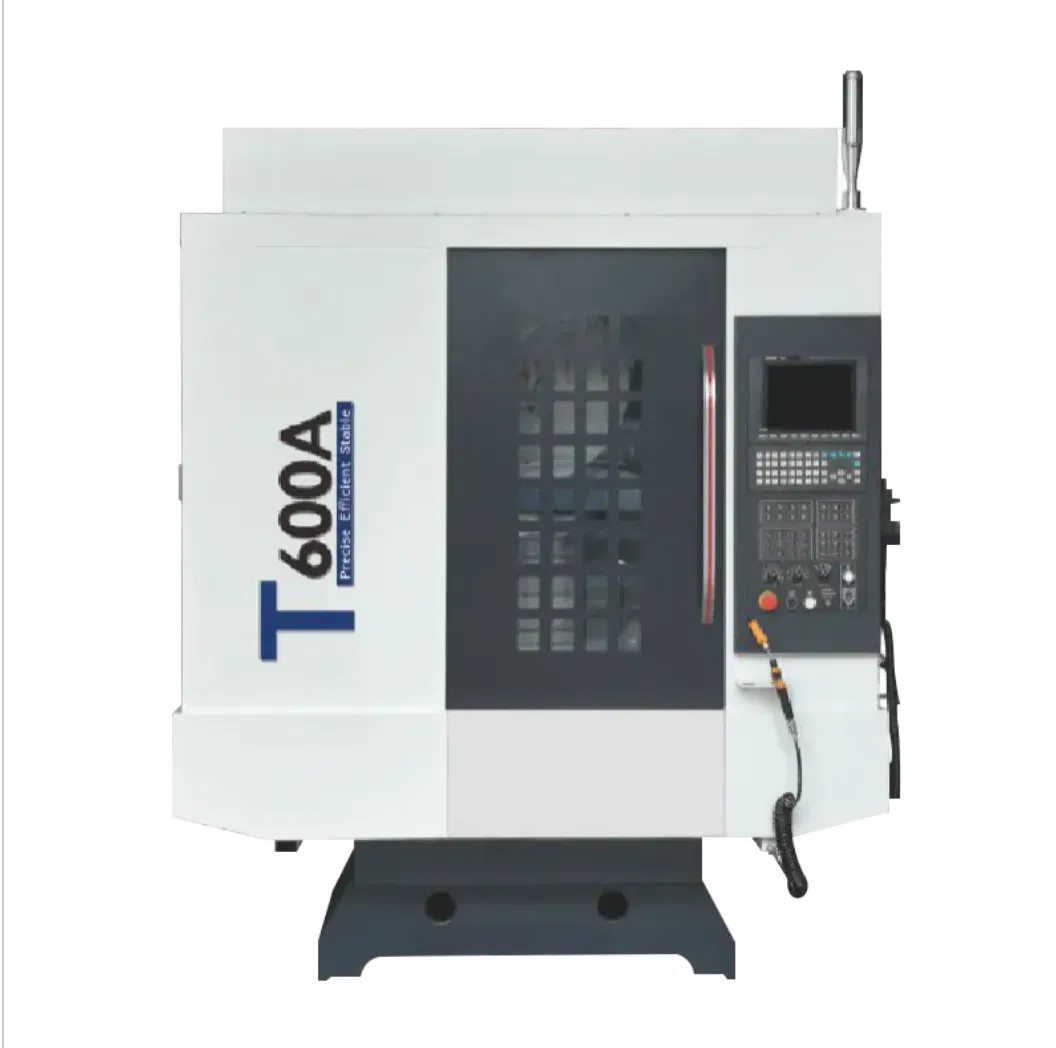
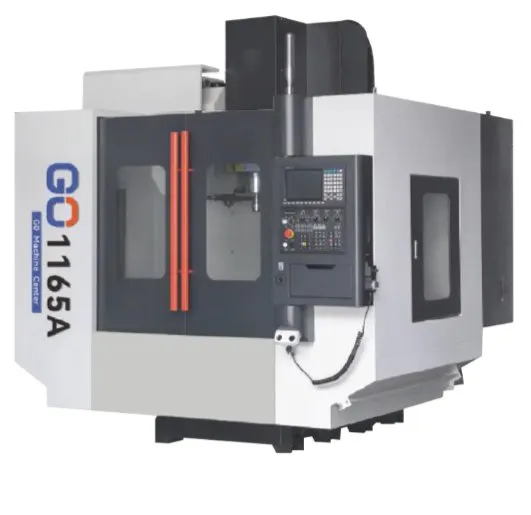
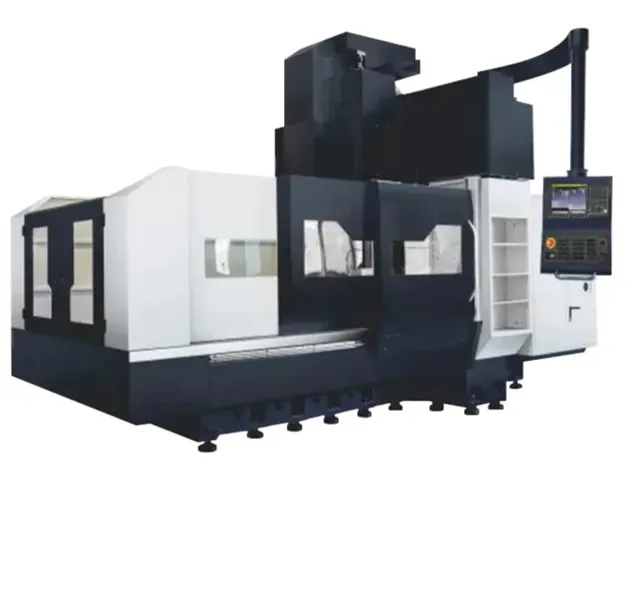
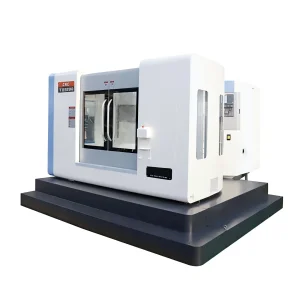
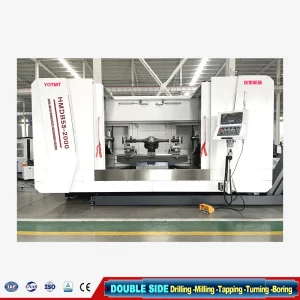
The core of a milling centre machine is an automatic tool changer integrated into a CNC milling machine. This system enables continuous multi-process machining, specializing in high-precision and efficient processing of complex flat and three-dimensional parts. It is a key piece of equipment for flexible manufacturing in machining.
Core Product Features
🚀 Highly Integrated Configuration:
Standard automatic tool changer (typically with a tool magazine capacity of 16-60 tools) automatically switches between milling cutters, drills, taps, and other tools without manual intervention.
📐 Multi-Axis Mobility:
Mainstream models offer 3 axes (X/Y/Z), while mid-range and high-end models support 4 axes (with additional A/C axis indexing) or 5 axes (fully linked), enabling machining of complex curved and inclined surfaces.
🎯 High-Precision Structural Design:
Utilizing a rigid bed, high-precision ball screws and linear guides, driven by servo motors, achieves positioning accuracy of up to 0.001mm.
🧠 Intelligent Adaptation:
Equipped with mainstream CNC systems (such as FANUC, Siemens, and Mitsubishi), it supports program pre-reading, tool life management, and machining error compensation.
Main Functions
🔹 Basic Milling:
Performs core operations such as plane milling, contour milling, groove milling (T-slots, dovetail slots), and step milling.
🔹 Holemaking:
Automatic tool change for drilling, reaming, tapping, and countersinking without changing equipment.
🔹 Complex Feature Machining:
4/5-axis models can machine curved surfaces (mold cavities, impeller blades) and inclined surfaces.
🔹 Auxiliary Features:
Coolant system for chip removal, spindle center water outlet, and automatic workpiece coordinate setting.
Typical Applications
Industrial Applications
- Mold Manufacturing: Precision components such as cavities, cores, and mold bases.
- Automotive Parts: Engine cylinder heads, transmission housings, and chassis brackets.
- Aerospace: Difficult-to-machine materials like aluminum and titanium alloys for frames and blades.
- Electronics & Medical: Precision connectors, mobile phone midframes, and surgical instruments.
Core Advantages
✅ Improved Production Efficiency:
The automatic tool changer reduces cycle times by 30%-50% compared to conventional milling machines.
✅ Consistent Machining Accuracy:
Reduces workpiece clamping times to minimize positioning errors and part fluctuations.
✅ Reduced Labor Costs:
CNC automation allows one operator to manage multiple machines simultaneously.
✅ High Machining Flexibility:
Quickly switch between part models by modifying CNC programs, ideal for high-variety production.
Quality Assurance
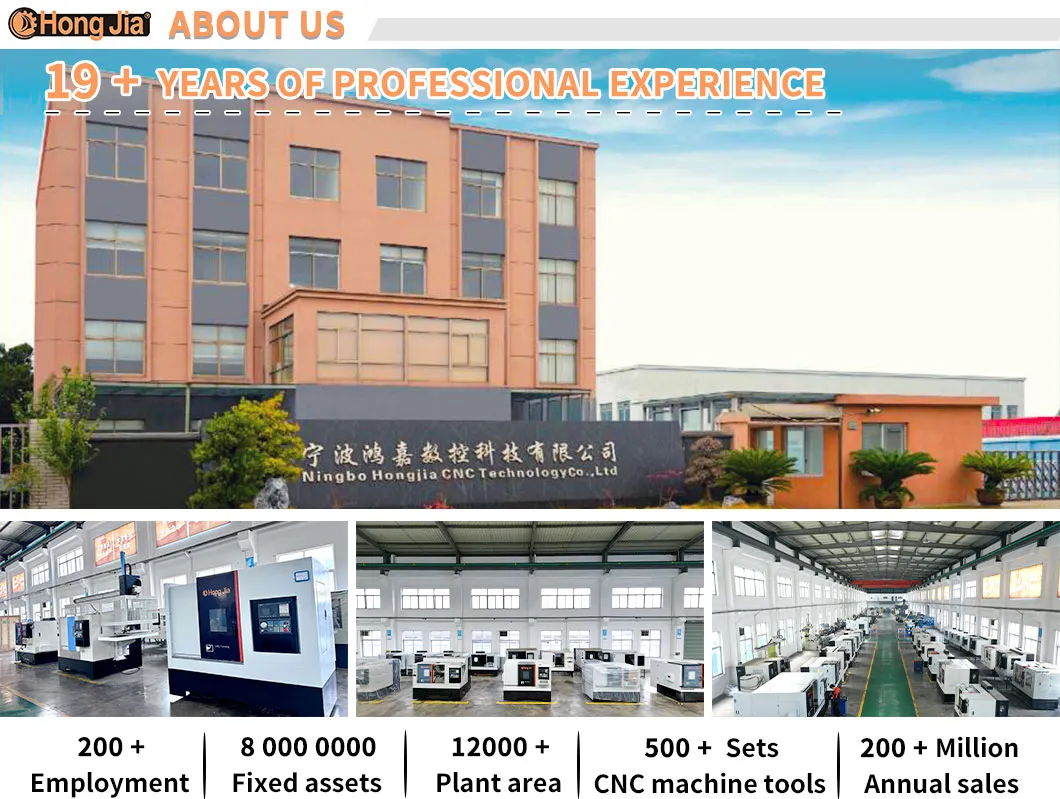
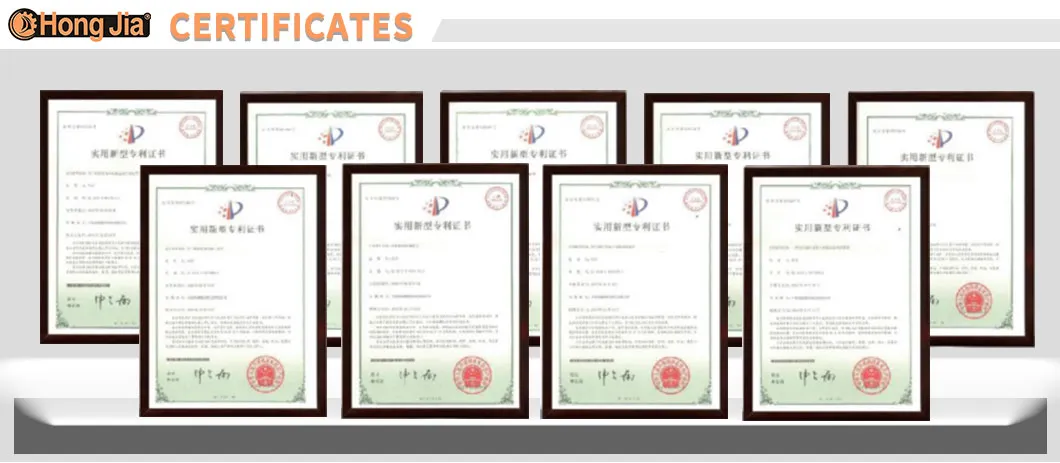
Our focus on technological innovation and market demands allows us to provide efficient, stable, and reliable CNC equipment tailored to global customer needs.
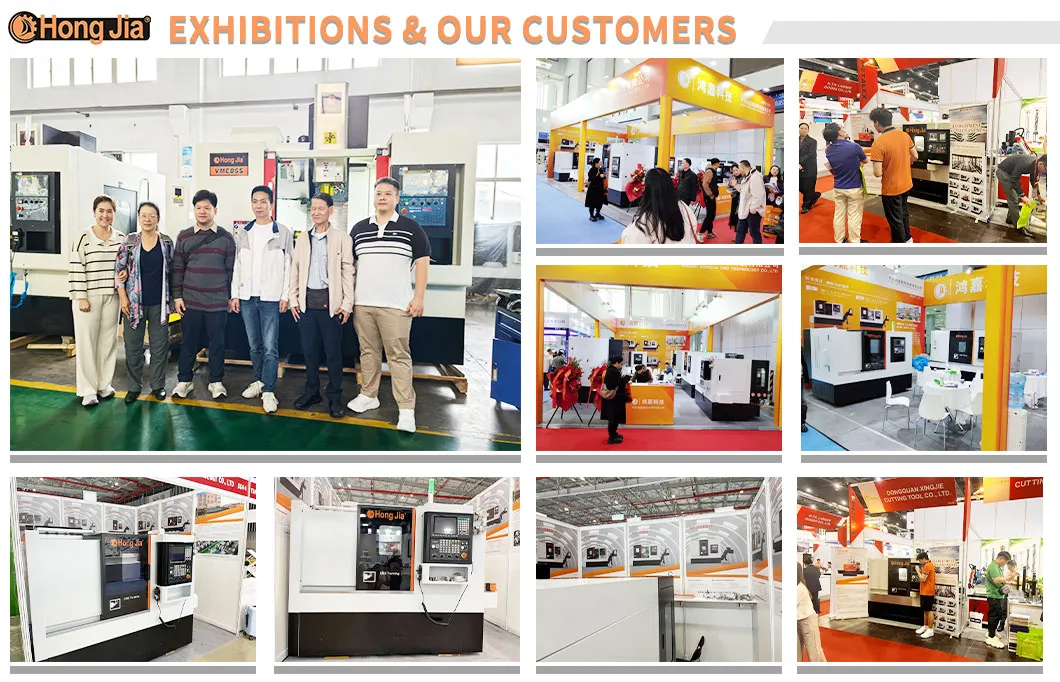
Exhibitions & Logistics
Frequently Asked Questions
Q1: How can I choose the most suitable machine?
A: Please provide your specific requirements or product drawings, and we will help you select or recommend the best model for your needs.
Q2: What are the main products available?
A: We specialize in CNC Lathes, CNC Milling Machines, CNC Turning Machines, Vertical and Horizontal Machining Centers, and composite processing centers.
Q3: What level of positioning accuracy can these machines achieve?
A: Our machines utilize high-precision ball screws and linear guides driven by servo motors to achieve positioning accuracy up to 0.001mm.
Q4: Which CNC systems are compatible with your equipment?
A: Our machines are equipped with mainstream CNC systems including FANUC, Siemens, and Mitsubishi for stable and intelligent production.
Q5: Can these machines handle complex 3D surfaces?
A: Yes, our 4-axis and 5-axis models are designed specifically to machine complex curved surfaces, inclined surfaces, and mold cavities.
Q6: What is the tool magazine capacity of the automatic tool changer?
A: The standard automatic tool changer typically offers a tool magazine capacity ranging from 16 to 60 tools, depending on the model configuration.
 Zago Electric