Specifically designed and calibrated to meet the robust voltage configurations and precision performance requirements of Serbian industrial projects.
The industrial landscape in the Republic of Serbia is undergoing a massive transformation. Anchored by major infrastructure expansions, municipal water and sanitation upgrades, and heavy foreign direct investments (FDI) in automotive manufacturing, the country is fast becoming a central hub for industrial processing in Southern and Eastern Europe. Consequently, the reliance on high-durability electrical equipment is at an all-time high. Specifically, Motor Control Centers (MCCs) act as the central nervous system for these operations, providing critical electrical switching, protection, control, and remote monitoring for low-voltage induction motors.
In regions such as Belgrade, Vojvodina, and the Bor Mining District, engineering consultants and contractors are shifting from legacy, fixed-compartment electrical boards to modular, withdrawable (drawable) switchgears. This paradigm shift minimizes operational downtime, increases worker safety, and facilitates seamless system integration with centralized SCADA/PLC platforms. Zago Electric's portfolio is engineered specifically to address these challenges, satisfying strict European safety thresholds while maximizing physical unit endurance.
Extremely high-dust, high-vibration, and corrosive environments require GCK/GCS MCC configurations with high IP ratings (IP54/IP65). Draw-out units allow rapid replacements under 10 minutes without shutting down main busbars.
Wastewater treatment plants along the Danube and Sava rivers demand integrated VFD (Variable Frequency Drive) cabinets and smart soft starters. Dynamic cooling and harmonic filters prevent grid instability.
Fast-paced automated production lines need extreme precision. Interlocking control circuits integrate CNC centers and servo motors, feeding real-time diagnostics back to Siemens or Fanuc controllers via Profibus/Modbus protocols.
For any global enterprise or engineering EPC contractor executing work in Serbia, compliance is not optional. Switchgear assemblies must rigorously adhere to the harmonized European standards. We design, manufacture, and test our low-voltage power distribution switchgears and MCCs according to the IEC 61439-1 (General rules) and IEC 61439-2 (Power switchgear and controlgear assemblies) standards.
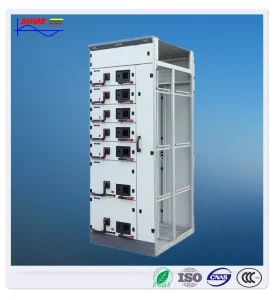
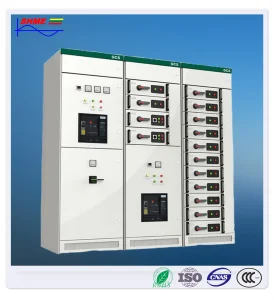
Furthermore, local installation parameters require seamless integration under specific grid environments (typically 400V, 50Hz, 3-phase networks). Our drawable switchgears, including the industry-standard GCK and GCS series, offer modular flexibility with compartmentalized structures up to Form 3b and Form 4b, isolating busbars, functional units, and terminal boxes to secure maximum safety for local maintenance personnel.
To assure engineering firms of our capability, all components undergo stringent quality checks, including temperature rise, dielectric properties, short-circuit withstand strength (Icw), mechanical operation limits, and IP ratings validation.
Ensures safety, structural rigidity, and electrical integrity under fault conditions for low-voltage switchgear.
Equipped with Modbus RTU/TCP, PROFINET, or EtherNet/IP gateways for seamless monitoring from Belgrade headquarters.
Fully certified for smooth customs clearance and compliant installation on EU-funded developmental zones in Serbia.
Dongguan Zago Electric Co., Ltd. is a professional electrical switchgear manufacturer specializing in low-voltage switchgear, medium-voltage switchgear, and integrated power distribution solutions for industrial, commercial, utility, and infrastructure applications. The company provides OEM and ODM services to electrical contractors, engineering companies, system integrators, distributors, and project developers worldwide.
Established in 2011 and located in Dongguan, Guangdong Province, China, Zago Electric operates a modern manufacturing facility covering more than 12,000 square meters and employs over 220 skilled professionals. The company combines research and development, electrical engineering, precision manufacturing, quality assurance, and technical support to deliver reliable power distribution equipment for diverse industries.
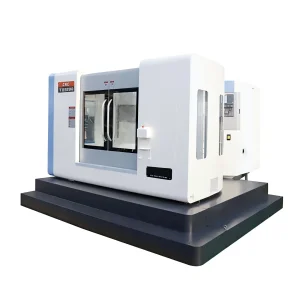
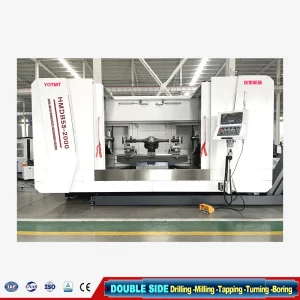
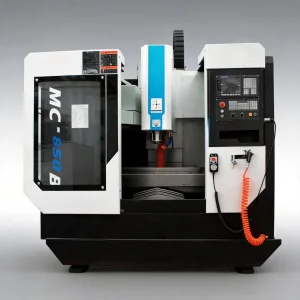
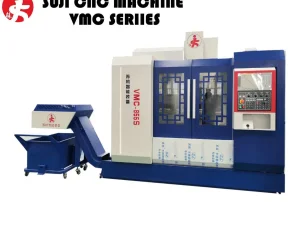
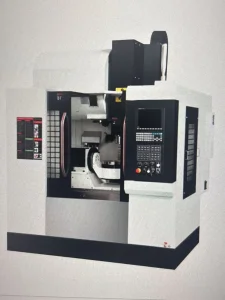
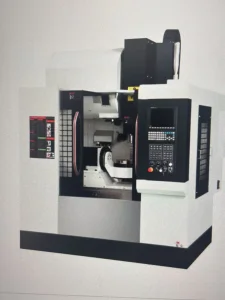
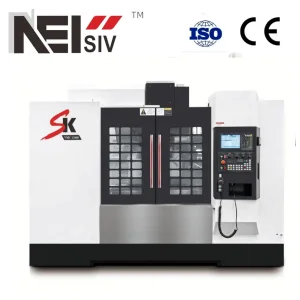
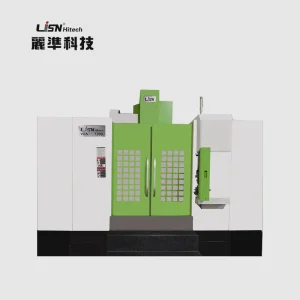
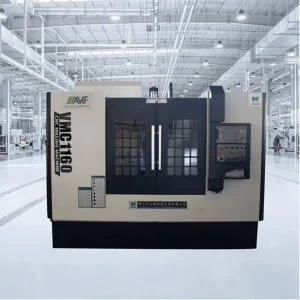
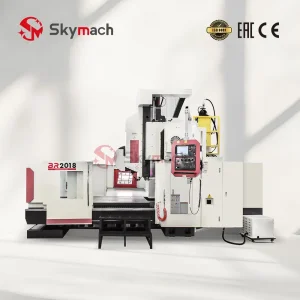
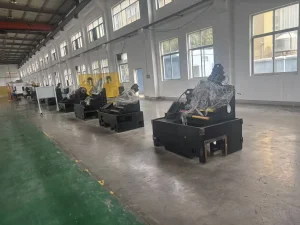
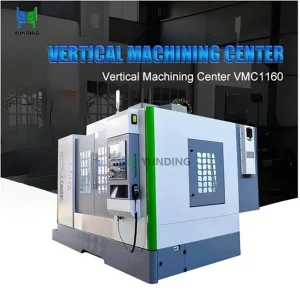
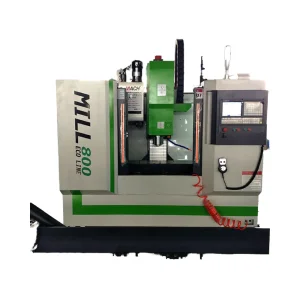
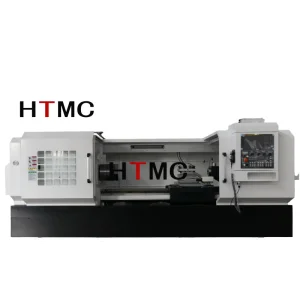
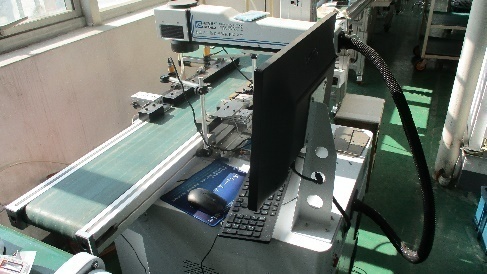
To fabricate the sheet metal structural frames and control boxes with absolute accuracy, we operate cutting-edge, high-precision machining hubs. These technologies include industrial vertical and horizontal CNC machining centers configured with advanced motor controls (such as Fanuc, GSK, Siemens, and Mitsubishi systems). Our mastery over metal processing ensures that every GCS/GCK enclosure boasts flawless tolerance alignments, protecting against thermal distortion, seismic impacts, and ambient dampness.
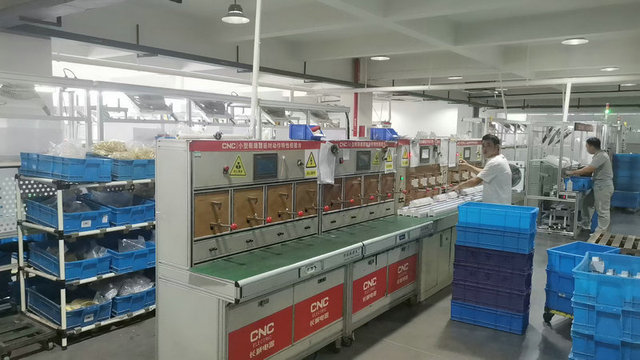
Comprehensive factory testing including insulation resistance, primary/secondary injection tests, and operational simulation on our specialized benches.
Providing bespoke dimensions, busbar routes, paint finishes, and custom integrations of premium smart breakers according to target specifications.
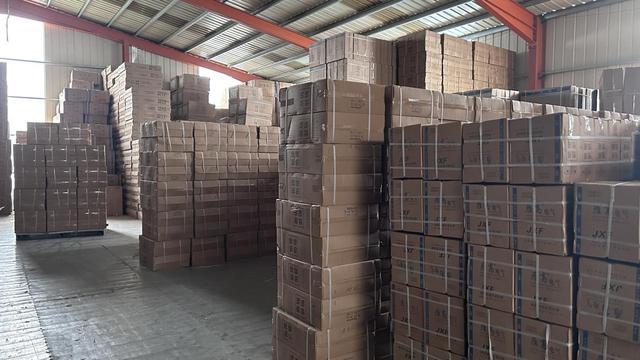
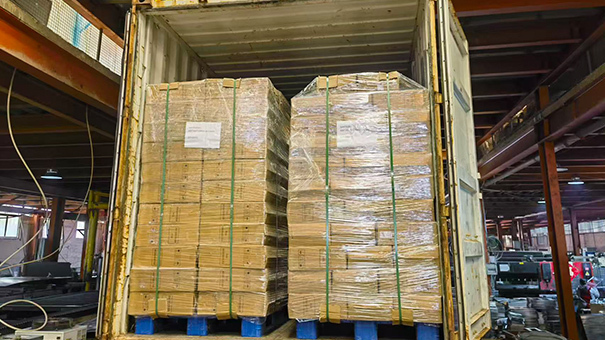
Heavy-duty ocean-freight worthy packaging ensures cabinets arrive at Serbian assembly sites completely unaffected by maritime moisture.
Our low-voltage switchgears rely on perfectly calibrated frame structures. Below are the specialized CNC solutions we deploy to create robust control panels and machine chassis.
Purchasing large-scale electrical installations across international borders involves high risks and hidden costs. Engineering and procurement managers working on industrial sites in Serbia face recurring struggles, specifically with extended engineering verification cycles, component quality discrepancies, long lead times, and standard misalignment. Our business model addresses these systemic weaknesses by prioritizing structural transparency and clear technical coordination.
Our dedicated electrical engineering team can evaluate SLDs (Single Line Diagrams) and schematic plans, producing detailed 3D CAD design configurations and approvals within 48 to 72 hours, preventing timeline creepage before metal cutting starts.
We utilize globally accessible electrical components (such as ABB, Schneider Electric, Siemens, or premium domestic alternatives) to guarantee local technicians in Serbia can easily find replacement contacts, fuses, and relays.
By managing custom clearing documentation and including original CE declarations of conformity with the packaging lists, we clear administrative hurdles, enabling rapid overland transit directly to industrial zones in Pančevo, Novi Sad, or Niš.
Explore our complete range of low-voltage drawable cabinets, smart automation controllers, and precision structural milling systems built to empower industrial development.
Modern electrical engineering is moving rapidly away from pure analog architectures towards interconnected, self-diagnosing networks. Within the framework of Industry 4.0, a Motor Control Center is no longer considered a passive steel box houses overload relays and isolators. Instead, it has transitioned into an intelligent, data-generating edge platform.
By incorporating microprocessor-based protective relays and communicating motor starters, engineers can monitor continuous parameters such as current imbalances, ground fault currents, winding temperature rises, and active/reactive power factors. In a concrete sense, smart MCC panels offer predictive maintenance capabilities: the unit registers minor deviations in starting current trends, signaling a potential winding fault or motor bearing degradation long before catastrophic tripping occurs.
In addition, with the European Union's aggressive push toward zero-carbon manufacturing, energy efficiency is a key operational objective. Integrating high-performance Variable Frequency Drives (VFDs) directly inside the MCC cubicles yields substantial savings. For centrifugal loads like those found in Serbia's district heating pumping loops, a modest speed reduction of 20% can translate into a massive 50% decrease in motor energy consumption.
By embedding non-contact infrared thermal sensors within the busbar intersections and main contacts of our withdrawable GCK and GCS drawers, operators can constantly supervise connection health. Real-time temperature alerts warn operators of localized hot spots caused by loose bolted joints, minimizing the risk of arc flash incidents.
VFDs and electronic switches inherently inject non-linear currents, generating harmonic distortions. Our integrated MCC cubicles support optional passive or active harmonic filters (AHF), keeping Total Harmonic Distortion (THD) under the strict limits dictated by local grid authorities and securing clean energy distribution throughout the facility.
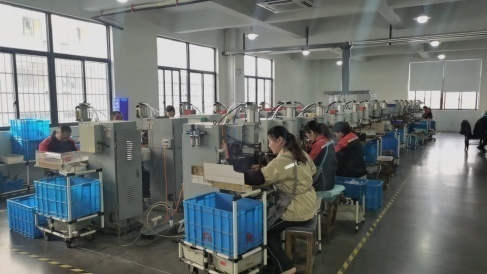
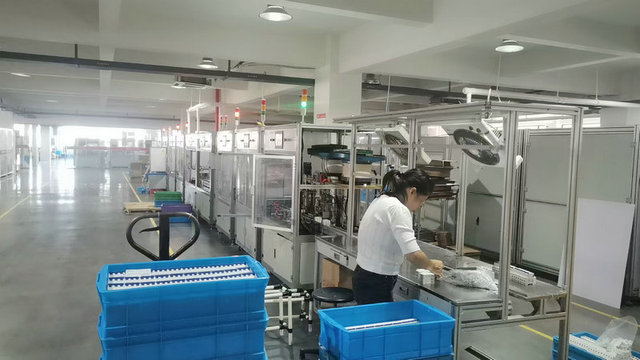
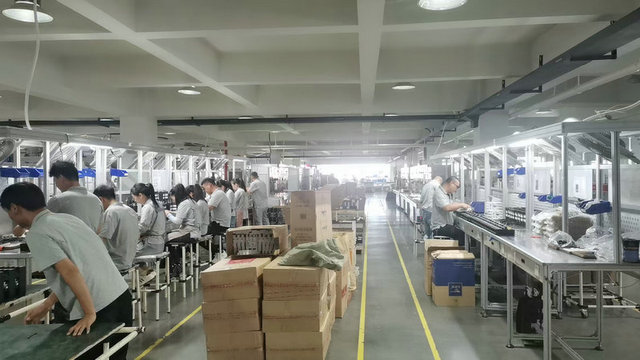
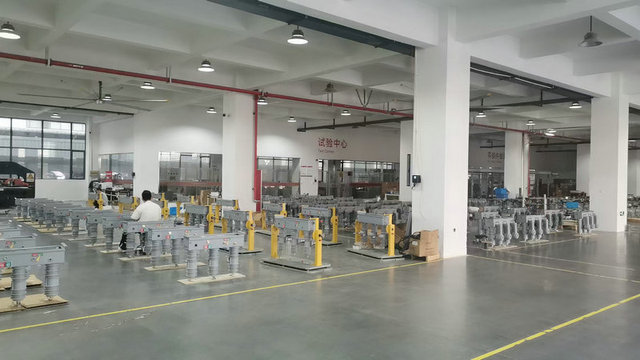
Step inside Zago Electric's production facilities. Here, precision machining, high-performance automated assembly, and strict safety testing coalesce to produce world-class electrical distribution hardware.
The primary distinctions lie in structural dimensions and the mechanism of the withdrawable modules. GCK switchgears feature modular drawer designs where the main mechanical components are locked manually, often serving as highly cost-effective, heavy-duty solutions for standard commercial and medium-heavy utility settings. GCS cabinets, on the other hand, utilize highly advanced rotary-lever operating mechanisms, offering higher breaking capacity, reduced drawer-pitch height (which permits a higher density of functional modules in a single cubicle), and are preferred in continuous-process facilities (such as water purification plants and chemical processing plants) where rapid, zero-error drawer isolation is essential.
Serbian industrial electricity networks operate on standard 400V, 50Hz, three-phase configurations, using standard TN-S or TN-C-S grounding profiles. Our engineers configure the main and distribution busbars to support these grounding parameters without additional local adaptors. All structural materials, protective air circuit breakers (ACBs), and molded case circuit breakers (MCCBs) are fully CE-marked and certified according to standard EN/IEC 61439 regulations. Furthermore, we match our designs to the local harmonic and insulation thresholds defined by EPS (Elektroprivreda Srbije), eliminating grid synchronization or compliance failures.
Under Form 4b, there is complete physical isolation within the switchgear: the horizontal/vertical busbars, individual functional motor starter compartments, and the outgoing cable terminations are fully separated from one another using metallic or insulated barriers. In mining clusters like the Bor district, or heavy chemicals in Pančevo, dust accumulation and high starting-current thermal stresses increase internal wear. Form 4b ensures that if an electrical fault (such as a localized short circuit or arc flash) occurs within one motor-starter drawer, the explosion and ionized gas are strictly contained within that drawer. The primary busbars and neighboring motor starters remain fully online, and maintenance staff can inspect or service the damaged module without shutting down the entire plant.
Our OEM/ODM scope spans from raw enclosure fabrication up to fully integrated, programmed smart MCC solutions. We offer customization on physical panel dimensioning, specific sheet metal thicknesses (supporting up to 2.5mm cold-rolled steel), localized RAL powder coat finishes, and the inclusion of unique busbar shapes. On the electrical side, we integrate specific control brands preferred by our client's engineers, including Siemens, Schneider, ABB, or Eaton, ensuring seamless continuity in their asset inventory. We also mount custom HMI interfaces, PLC control bays, and specialized variable frequency drive units with passive/active filtering blocks.
A Motor Control Center, particularly a withdrawable configuration, relies heavily on strict physical tolerances. If a sheet steel cabinet contains minor alignment deviations, the withdrawable drawers will suffer from poor structural sliding, causing the self-aligning power contacts (stabs) to connect unevenly with the vertical copper busbars. This uneven contact increases electrical resistance, leading to severe localized heating, terminal oxidation, and eventually fire hazards. By using high-performance vertical and horizontal CNC milling machines and automated punch presses to manufacture our enclosure frames, we keep dimensional tolerances under 0.1mm. This guarantees that every drawer slides smoothly, aligns perfectly, and maintains stable electrical conductivity throughout decades of mechanical insertions.
Typically, standard custom MCC manufacturing requires 4 to 6 weeks, which includes full engineering verification, sheet metal processing, powder coating, wiring, component assembly, and rigorous testing. For shipping to Serbia, we coordinate reliable maritime transport routes departing from Shenzhen or Guangzhou ports to main European hubs, followed by secure land transport. Each switchgear cabinet is wrapped in heavy-duty moisture-barrier films and secured inside robust, reinforced wooden crates to completely shield internal control components, electronic relays, and sensitive CNC control systems from structural impacts and humid environments during transit.
 Zago Electric